The Final Act: Planning a Memorial Service to Honor a Loved One

The Final Act: Planning a Memorial Service to Honor a Loved One

Losing a loved one is never easy. By the sheer nature of the situation, those closest to that person are often tasked with planning the funeral or memorial service if they didn’t pre-plan their own. In cases of younger individuals, pre-planning is almost never a reality. This leaves those with the most grief as the last ones who get to grieve.


Making sure the loved one’s memory is honored in a special way while managing your own wellbeing during a time of great loss can be challenging, especially if you are left with the financial burden of the service as well. Scott Funeral Home explains that choosing a memorial service that is right for the person who passed, the person who is planning, and the people who want to pay their respects can feel daunting, but it doesn’t have to be.


It’s For You

Two Views notes that funerals and memorial services are actually for the living. Remembering that can help with planning. The intention is to honor the departed, but the ritual is for those who continue to live, so they can remember fondly, let go of old grudges, or pay tribute to someone who was kind and loving to them.


As long as the service doesn’t dishonor the dead by ignoring a religious custom or personal belief (or imparting on them rights they didn’t believe in), then anything done in the spirit of celebrating their life and mourning their death is acceptable, under whatever terms the person designated to plan the event sees fit. This includes setting up a nonprofit in your loved one’s honor. This may be focused on an organization or a cause that your loved one was particularly passionate about; you can allow guests at the service contribute as well, to get the nonprofit off the ground and funded.


Consider The Options

Sometimes, folks have preconceived notions or personal beliefs, or a financial situation that drives them toward an opened or closed casket or cremation. If your loved one didn’t specify, and no family traditions direct you to a specific option, then pick the one that makes the most sense for the circumstance. Considerations may include the condition of the body, cost, burial location, and legal factors.


The Guardian points out that it’s becoming more common for individuals to keep the cremains of a loved one, whether it is a small amount in a personalized keepsake, or a larger urn containing them all. Both states and religions have specific guidelines regarding remains and cremation. Before making a decision, it is important to consider what the chain of custody will be of remains that aren’t buried or interred in a monument, especially after the individual who chooses to keep the remains passes away.


Planning The Service

Just as there are many options for handling your loved one’s remains, there are many options for funeral and memorial services that go along with them. There is a Funeral Rule established by the Federal Trade Commission that will help clarify some of the things you can and cannot do, particularly in regard to choosing what services are necessary and who can provide them.

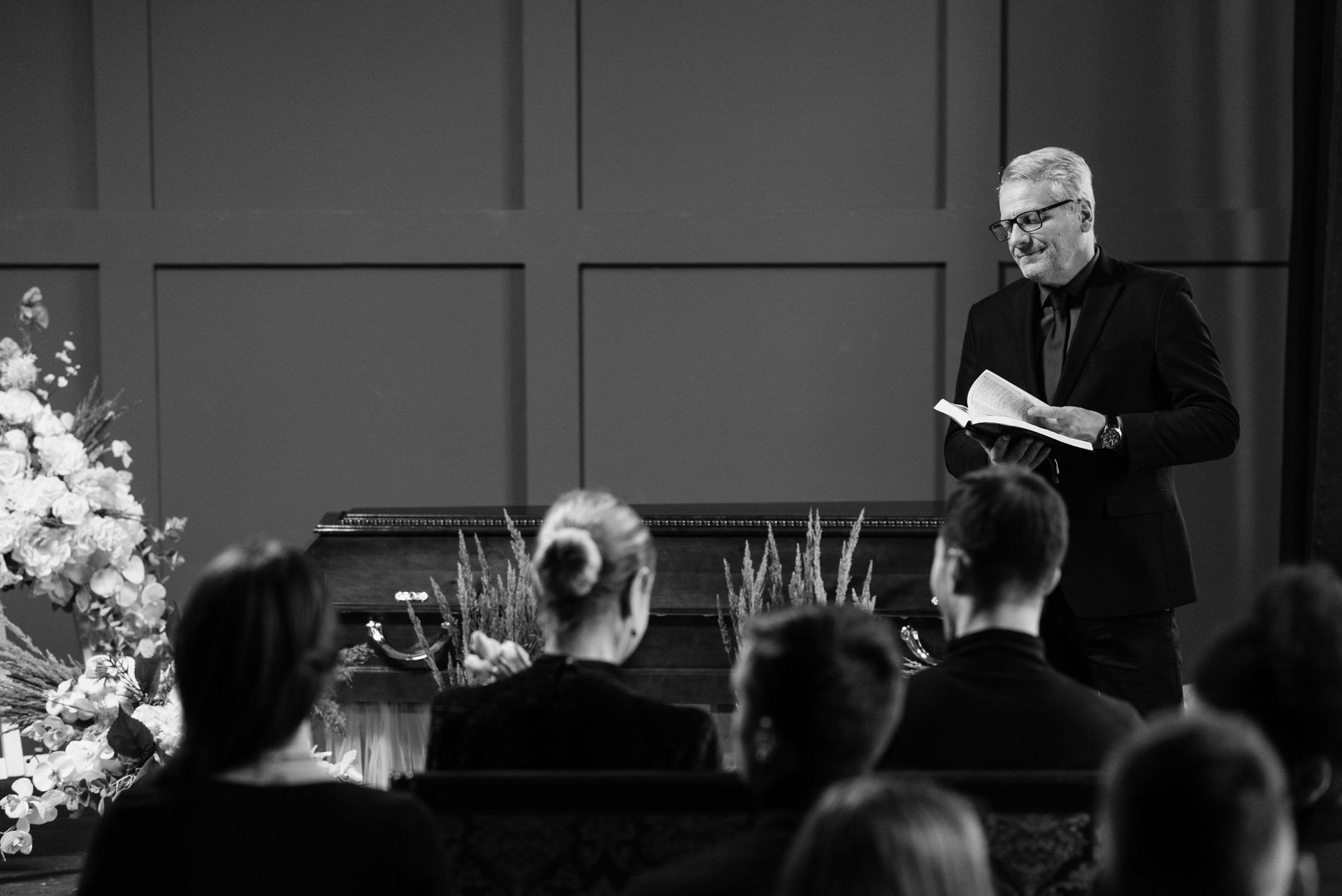
Traditionally, the service might be held at a church, but many modern funerals are held at a funeral home. Whether you choose to have a viewing, an urn, or no remains at the service at all, you can have it anywhere you choose, including at home. While some considerations must be made regarding the space needed to host this in a home, sometimes having the service at home can help those mourning a loved one feel closer to them.


Choosing to have a procession regardless of your choices for the remains or location can also be a meaningful way to honor your loved one. Processions are a particularly important honor for those who served in the military, regardless of age or cause of death. If your loved one was in the military, be sure to consider the special arrangements that can be made for them in honor of their service.

Regardless of how your loved one passed, mourning their loss in a meaningful way is an important part of grieving. Remember that the service is for you as much as it is for them. As difficult as it may be, take a little time to learn about the options and process the situation before making any final decisions. Whether you plan something traditional or totally unique, the details should be specific to your needs and the wishes of the person you are honoring.


Scott Funeral Home helps take some of the burden off of your shoulders by providing an abundant range of personalized services that meet the needs and requirements of your loved one and family members. Reach out today for more information by calling 253.572.9555.


Lucille Rosetti
Recent Posts

By Camille Johnson February 6, 2026
How to Manage Life’s Major Changes with Compassion and Confidence For families in Tacoma and the surrounding communities, major life transitions bring challenges that reach far beyond logistics. Whether it’s managing the grief and uncertainty after a loss, adjusting to a new career path, or helping children through difficult changes, these moments can make home life feel unsteady and raw. The emotional weight of change often leaves loved ones stretched between practical demands and deep feelings. Recognizing these struggles is the first step, opening the door to greater understanding and a more compassionate way to move forward. Understanding How Change Shapes Our Minds and Hearts Life transitions can bring intense emotions and uncertainty, making each day feel like unfamiliar territory. Significant changes, such as loss or new beginnings, can cause mild to moderate psychological distress as people adapt to new realities. Building a resilient mindset and learning healthy coping techniques help individuals manage these emotions and steady themselves during turbulent times, a lesson highlighted by the fact that the pandemic produced mild to moderate levels of psychological distress for many. Recognizing the emotional impact of change is essential because it gives families space to process their feelings and supports healing. This understanding enables loved ones to respond with compassion, improving communication, and strengthening bonds when life feels unpredictable. Small shifts in mindset and support routines can help families cope more successfully with change. Imagine a family helping a child adjust after returning from a stressful event. By talking openly about their worries and practicing calming routines, the family creates an environment that feels safer and more manageable for everyone. With these basics in mind, effective strategies can shape your approach to both practical and emotional shifts ahead. Step-by-Step Guide for Navigating Major Life Changes Major changes (loss, a move, a career shift, a health scare, a new business) can feel overwhelming because they affect your emotions and your routines at the same time. This simple process helps families steady the ground first,then take practical steps without rushing past what everyone is feeling. Start with a real conversation (not a “fix-it” meeting) Pick a low-pressure moment and ask two gentle questions: “What feels hardest right now?” and “What would help this week feel a little steadier?” When grief is involved, even low-barrier support can reduce distress for some people,research on online bereavement support suggests these interventions can have meaningful effects, especially when people feel isolated. Protect the basics for the next 7 days When life changes, stability often comes from boring, repeatable essentials: sleep, meals, school/work rhythms, movement, and a predictable “start and end” to the day. The APA’s guidance on using social support to manage stress is a helpful reminder that you don’t have to carry hard seasons alone,your routines and your people both matter. Make a support list that’s actually usable Instead of “we should get help,” write down names and numbers: one friend/family member you can call, one local professional option, and one community directory you can search. In Washington, WA 211 is built for this,housing, food support, counseling, grief groups, and more,so you’re not reinventing the wheel when you’re already tired. Choose one “next right step” and finish it within 48 hours Momentum beats motivation during transitions. Pick one action that reduces pressure fast: schedule an appointment, gather paperwork, ask someone to watch the kids for an hour, or set up a simple weekly plan. Small completed steps restore a sense of control. If the change includes work or income, build skills in the smallest way possible Career changes can feel scary because the path forward isn’t obvious. If you’re in Washington and retraining is part of your next chapter, WorkSource lays out training and support programs that can help you explore options without guessing. If the change includes starting a business, keep the admin side simple New ventures are stressful enough,separating “building the thing” from “paperwork.” If you want a guided way to handle LLC formation and compliance tasks while you focus on your family and the work itself, ZenBusiness can serve as a practical helper,without becoming the center of your plan. These steps won’t remove the hard parts of change, but they do lower the noise. And when the noise drops, compassion and confidence get a lot easier to access. Compassionate Change Management: Your Essential Checklist To keep momentum going during uncertainty: During major transitions, having an easy-to-follow list makes compassionate action and organization possible, even when emotions run high. Prioritizing clear tasks can help families manage both the urgent needs and the deeper feelings that come with significant change. ✔ Begin a gentle conversation to name feelings and needs ✔ Safeguard daily routines for comfort and stability ✔ Confirm support contacts and emergency resources you can access ✔ Review any legal or financial paperwork that may need updating ✔ Keep a copy of your funeral plans on file and notify trusted contacts, as advised by funeral planning checklists ✔ Take one action toward a needed service or appointment this week ✔ Organize health or medication information in a secure, accessible spot Simple steps, taken one at a time, can steady the ground beneath your family during any transition. Your Questions on Loss, Services, and Support Answered Here are answers to the questions families most often ask in times of loss. Q: What can help our family begin to process grief right now? A: Simple acts like talking, journaling, drawing, or even role-playing feelings can provide comfort when everything feels unsettled. Many children find it easier to express grief in creative ways, as suggested by resources on how to talk and act out feelings . Q: How do we choose between burial and cremation services? A: Both options can honor your loved one's wishes. Cremation is becoming more common, with the U.S. cremation rate projected to reach 63.4% in 2025 , but your provider can walk you through options that fit your values and cultural needs. Q: What paperwork is needed for veteran funeral benefits? A: Accessing burial benefits requires the veteran’s DD Form 214 or a similar document, which proves honorable service. Keeping this form accessible ensures you can quickly claim any eligible benefits, as explained in veteran burial benefits checklists . Q: How can we support children as they grieve? A: Validate their feelings, maintain familiar routines, and look for age-appropriate grief programs. Many families and educators agree that offering grief education at schools is important for children’s wellbeing . Each question you ask and step you take moves your family toward greater strength and healing. Finding Strength and Community Support During Life’s Big Changes Even with strong family ties and community traditions, major life changes can still feel overwhelming and isolating. Compassion for yourself and a willingness to reach out are the foundation for healthy adaptation, as discussed throughout this guide. Discovering resilience and nurturing hope allows people to heal emotionally and slowly rediscover a sense of stability. When you let others in, support and strength follow. If today feels difficult, take one small step: talk to someone who cares, or visit a local resource for support. These connections are what help neighbors in Tacoma and beyond not just survive, but truly grow through every season of change.
September 15, 2025
The ABCs of Funeral Planning: A Calm, Practical Guide
July 25, 2025
What to Expect When a Loved One Enters Hospice Care
June 24, 2025
How to Talk with a Loved One About End-of-Life Plans
June 5, 2025
Charting Calm: A Practical Guide to Pinpointing and Managing Everyday Stress
March 26, 2025
Quiet Anchors: Mindfulness Practices for Moving Through Grief
January 15, 2025
The Transformative Power of Hardships: Growing Through What You Go Through
October 30, 2024
This is a subtitle for your new post
March 24, 2023
Grief Circle
June 24, 2022
A Healthier Way to Grieve by Camille Johnson
Show More