Finding Balance After Loss: How Widows and Widowers Rebuild Life
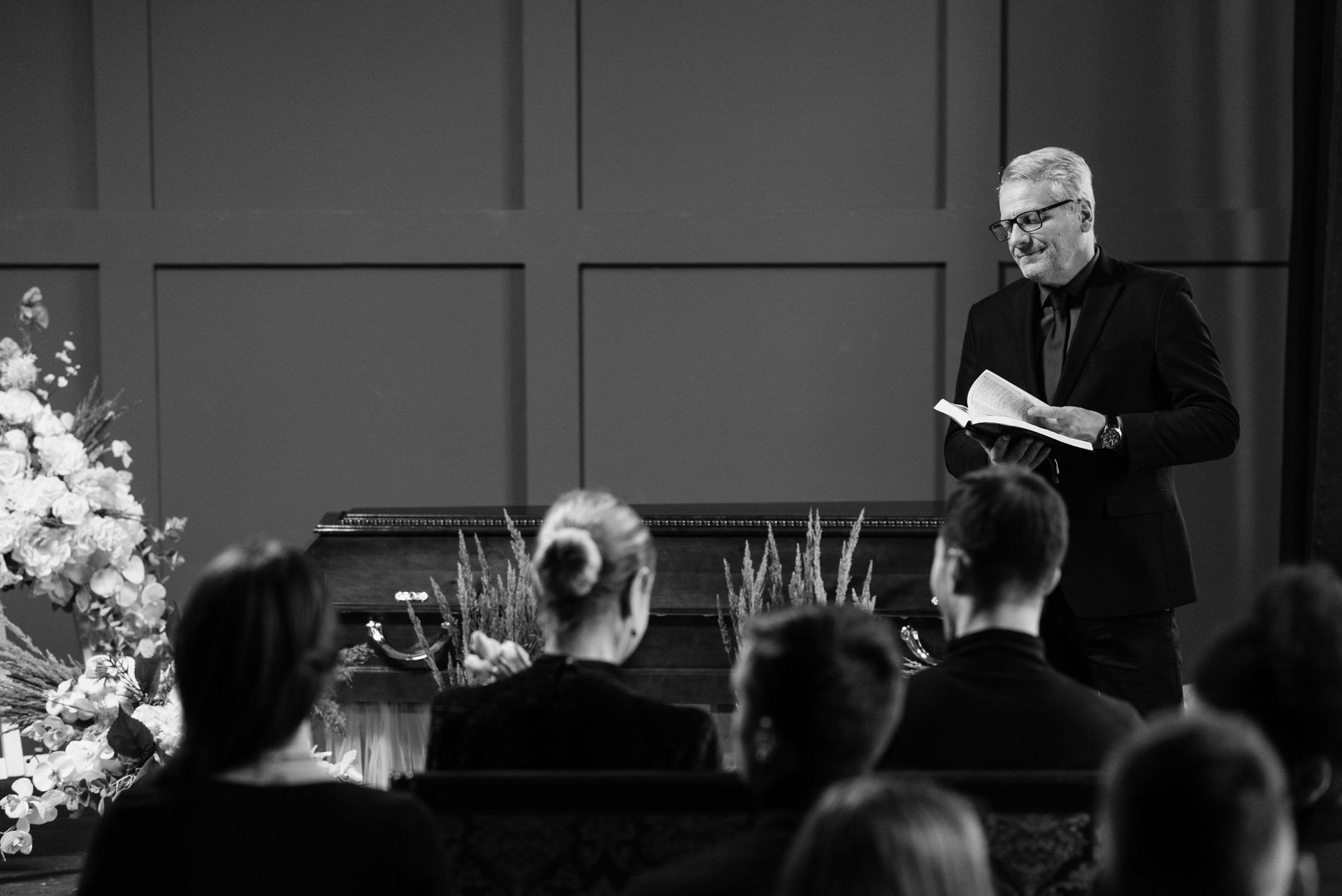
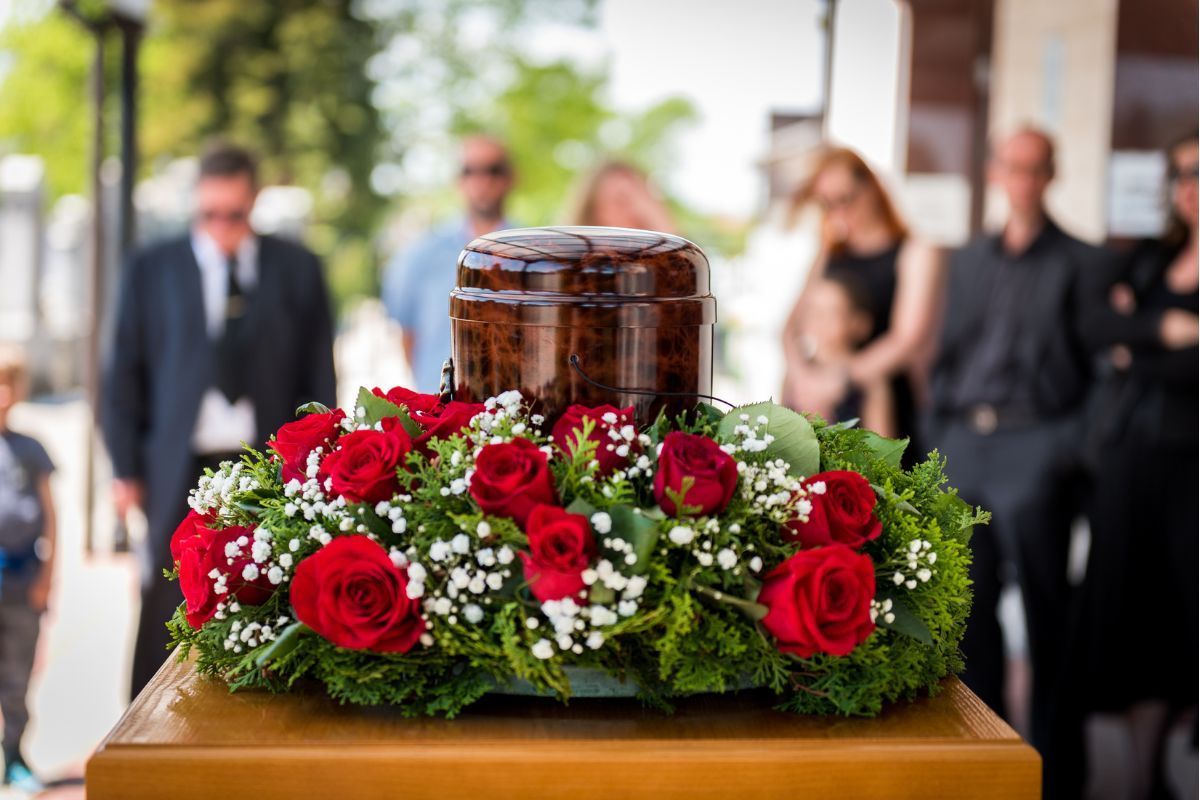
For widows and widowers in Tacoma and nearby communities, the hardest part often arrives after the first grief recovery stages, when casseroles stop coming and life still doesn’t make sense. The core tension is real: rebuilding life after widowhood can feel necessary for daily survival, yet emotionally disloyal or exhausting, especially when routines, identity, and finances have all shifted. Emotional challenges after loss don’t follow a clean timeline, and coping with prolonged grief can show up in quiet ways that are easy to dismiss and hard to explain. With steadier support and a clear frame for navigating life after bereavement, a new life can take shape.
Understanding a Holistic Path Through Widowhood
A steadier way forward is to use a holistic grief support framework. It recognizes that widowhood is not only sadness, but also a life shift that
involves bereavement, mourning, and a major loss. The framework holds three areas together: emotional healing, practical adjustments, and social reintegration.
This matters because pain and logistics often collide. When you have support for paperwork, routines, and money decisions, your nervous system can rest enough to grieve. When you also rebuild relationships, you begin shaping a new sense of self instead of just surviving.
Think of it like rebuilding a home after a storm. You tend to the foundation first, then utilities, then invite safe people back in. Over time, your story becomes an
evolving life story that honors love while making room for growth.
7 Practical Steps to Rediscover Yourself and Create a Livable Day
After loss, “moving forward” often starts with something much smaller: building a day you can actually live in. These steps support the holistic path through widowhood, emotional care, practical adjustments, and social re-entry, while leaving room to honor your spouse and discover who you are now.
- Choose a “minimum viable day” routine: Pick 3 daily anchors you can do even on hard mornings: get out of bed, eat something with protein, and step outside for 5 minutes. Write them on a sticky note and treat them like medication, non-negotiable, not a mood-based choice. A simple routine reduces decision fatigue and gives your nervous system predictability, which can steady grief waves.
- Do a 10-minute journal check-in: Set a timer and write a few lines: “What feels heavy today?”, “What do I need?”, and “One thing I did to get through.” Many people find
journaling helps name emotions and track patterns, which supports self-rediscovery after loss. If writing feels too big, start with bullet points or a single sentence.
- Create a “memory-with-boundaries” ritual: Choose one small way to honor your spouse that doesn’t take over the whole day, light a candle at dinner, play one meaningful song, or keep a photo in a specific spot. Decide in advance how long the ritual lasts (5–15 minutes) and what you’ll do right after (wash dishes, call a friend, take a walk). This helps you carry love forward without getting pulled under by it.
- Tackle one practical task using the 20-minute method: Grief is emotional, but it’s also logistical, bills, mail, benefits, appointments. Pick one task and work on it for just 20 minutes, then stop, even if it isn’t finished. This approach supports the “practical adjustments” part of healing while protecting your energy; in Tacoma, that might look like setting aside one session to organize documents related to funeral paperwork, veteran benefits, or insurance.
- Try a “new identity” experiment once a week: Purpose finding post-bereavement often comes from tiny trials, not big life decisions. Choose one low-stakes activity that reflects curiosity: attend a community class, visit a new park, cook one unfamiliar recipe, or sit in on a support group. Afterward, write down: “More of this / Less of this / Neutral,” so you can build a life that fits your current self.
- Rebuild your support map with three names: On paper, list three people or places: one for practical help, one for emotional support, and one for simple companionship. Then make one small contact this week, send a text that asks for something specific, like “Can you sit with me for 20 minutes?” Clear asks reduce awkwardness and make social reintegration more doable.
- Use meaning prompts to guide your next chapter: Once a week, answer one question: “What do I want to stand for now?”, “What would ‘a good day’ look like in six months?”, or “What value from my marriage do I want to keep living?” If you feel stuck,
watch a Ted Talk on grief, resilience, or purpose, then jot down one takeaway to try in real life. Meaning grows through repetition, reflection, and small actions.
Habits That Create Steadier Balance After Loss
When grief changes everything, consistent practices create a small sense of safety and direction. For families and individuals in Tacoma seeking compassionate funeral and grief support services, these habits offer a repeatable way to honor love while rebuilding daily life.
Morning Body Check
●
What it is: Spend 60 seconds naming one sensation, one emotion, and one need.
●
How often: Daily.
●
Why it helps: It reduces overwhelm by turning a foggy day into clear next steps.
Two-Lane Grief Rhythm
●
What it is: Plan one loss-facing moment and one life-facing task using the
dual process model.
●
How often: 4 days per week.
●
Why it helps: You practice balance without forcing yourself to “be okay.”
Small Remembrance Ritual
●
What it is: Do a five-minute
grief or remembrance ritual like lighting a candle, then close it.
●
How often: 2 to 3 times weekly.
●
Why it helps: Love stays present without consuming the whole evening.
One Connection Touchpoint
●
What it is: Send one honest text to a trusted person with a specific request.
●
How often: Weekly.
●
Why it helps: It keeps support active even when you feel withdrawn.
Paperwork Power Hour
●
What it is: Set a timer and handle one money or document item only.
●
How often: Weekly.
●
Why it helps: Practical progress lowers background stress and builds confidence.
Questions About Rebuilding Life After Loss
Q: How can widows or widowers rediscover their personal identity after moving beyond the initial stages of grief?
A: Start by naming what changed and what stayed the same: values, roles, relationships, and needs. Choose one small “identity experiment” each week, like returning to a hobby or volunteering once, then reflect on what felt steady versus draining. If you feel stuck,
professional support can provide a safe place to rebuild confidence without rushing your timeline.
Q: What practical steps can help rebuild a fulfilling daily routine while still honoring the memory of a lost spouse?
A: Pick two anchors for your day, one for care of your body and one for meaning, and keep them short. A written plan helps because
a schedule defends from chaos when your mind feels scattered. Include one simple remembrance action that has a clear start and finish.
Q: How can someone find renewed purpose and balance between mourning and embracing new experiences?
A: Think “both and,” not “either or”: you can carry love forward while also letting life expand. Choose one goal that serves today’s you, like strengthening health, rebuilding friendships, or learning a skill, and pair it with a gentle way to honor your spouse. Progress often comes from repeating small choices, not big breakthroughs.
Q: What strategies can ease feelings of overwhelm and uncertainty as one navigates life after loss?
A: Narrow decisions to one category at a time, such as finances, home, or social life, and make only the next smallest choice. Use a timer for hard tasks and stop when it ends, even if you could keep going. If anxiety spikes, reach out to a counselor, grief group, or trusted friend and ask for one specific kind of help.
Q: What options are available for someone looking to explore new directions or interests in life after widowhood, especially if they want to make a fresh start?
A: Start with low-pressure exploration: a community class, a short-term volunteer role, or a casual meet-up around an interest. If work is part of your reset, consider structured online learning to test a career pivot without committing immediately, and
here's an option to look at online business degree paths. A simple “try, review, adjust” plan can turn uncertainty into doable steps.
Building a Balanced Life After Widowhood, One Gentle Step
Life after loss can feel like a tug-of-war between missing what was and needing to function in what is. A compassionate reflection and a steady, one-step-at-a-time mindset make room for continued healing encouragement without rushing grief or erasing love. Over time, that approach strengthens emotional resilience and supports hope after loss, so remembrance can sit beside growth beyond grief rather than fighting it. A balanced life after widowhood can hold both sorrow and possibility. Choose one gentle next step today, name the single transition that feels heaviest and write down the smallest plan to meet it. This matters because steady, supported movement builds the stability and connection that protect health and help life feel livable again.