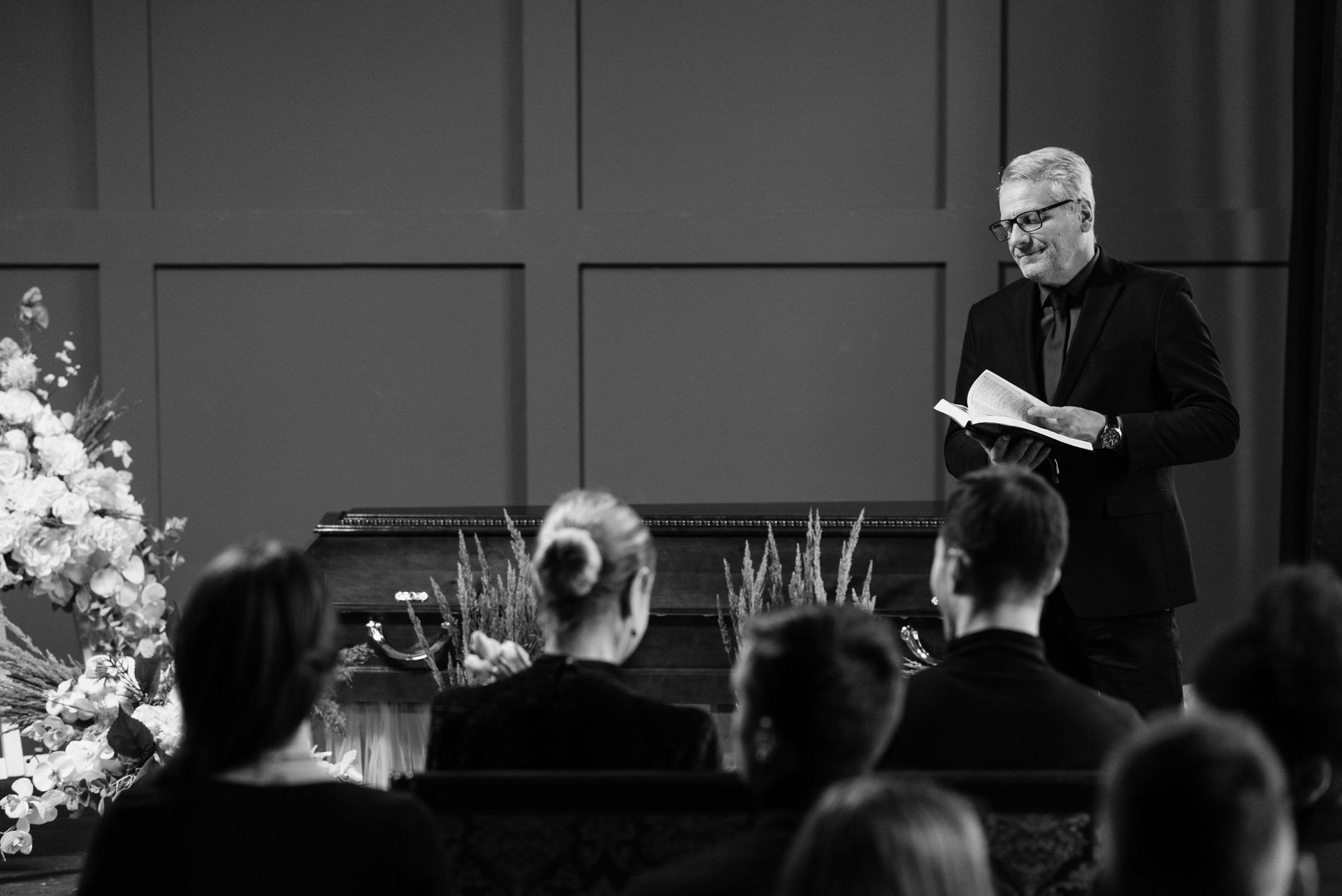
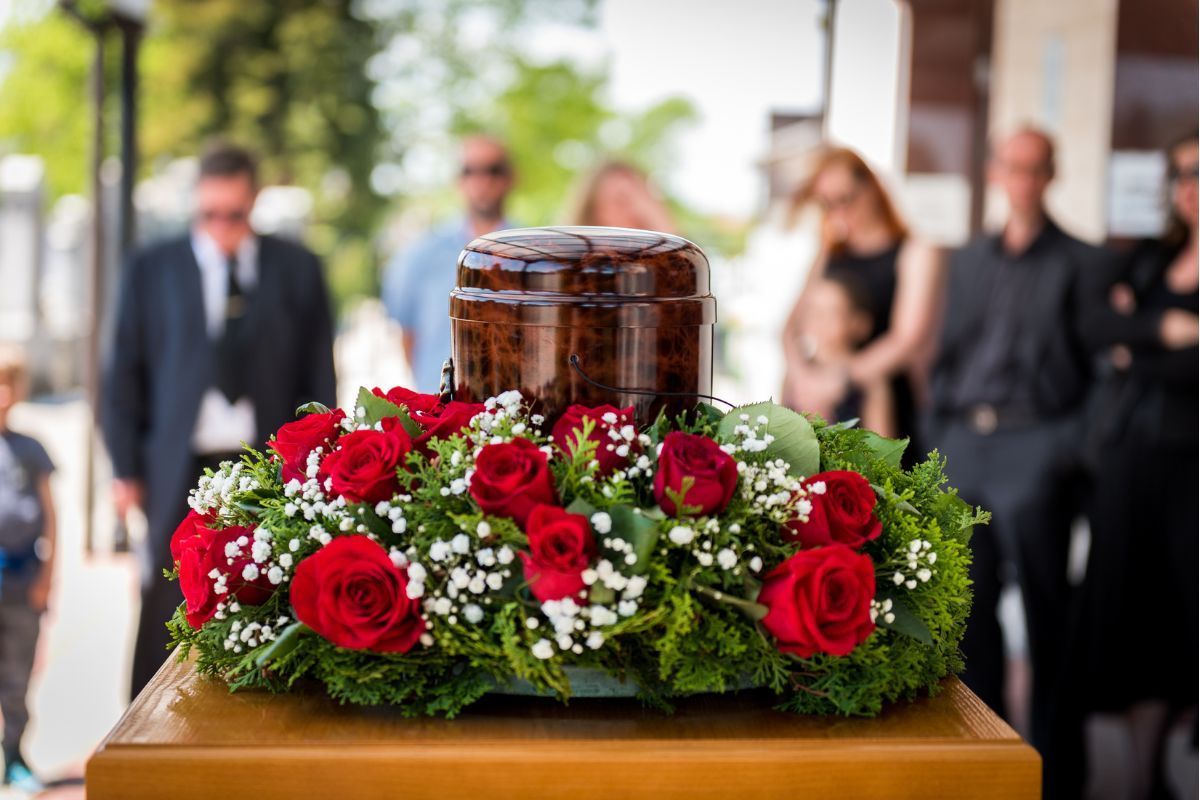
Unlike traditional funerals, memorial services offer flexibility in timing, location, and format, giving families the freedom to create a tribute that truly reflects the life of their loved one. Whether you are honoring someone who passed recently or preparing a delayed remembrance, thoughtful planning can transform a difficult moment into a healing experience for everyone in attendance.
Start With Their Story
Every meaningful memorial begins with understanding who your loved one was. What were their passions? What made them laugh? What values did they hold dear? These questions form the foundation of a service that feels authentic rather than generic. Some families find it helpful to gather siblings, children, or close friends and share memories before making any decisions. This collaborative approach often surfaces stories and details that one person alone might overlook.
Consider exploring meaningful conversations about life and legacy as a way to capture the essence of who your loved one truly was. These guided discussions help families uncover the experiences, beliefs, and moments that defined a person's journey, making it easier to plan a service that honors their unique spirit.
Choose a Setting That Reflects Their Life
Memorial services are not bound to chapels or traditional venues. A garden, beach, family home, community center, or favorite restaurant can all serve as beautiful backdrops. The location should feel right for the person being honored. Someone who loved the outdoors might be celebrated best under an open sky, while a person devoted to their faith community may be honored most fittingly in a sanctuary.
When selecting a venue, think about practical considerations like accessibility for elderly guests, parking availability, weather contingencies, and capacity. The setting sets the emotional tone, so allow yourself time to visit potential locations before committing.
Personalize Every Element
The most memorable services are those filled with personal touches. Display photographs spanning different chapters of their life. Create memory tables with objects that represented their hobbies, professions, or passions. Play music they loved, whether that means classical compositions, jazz standards, country ballads, or rock anthems. Ask family members and friends to share readings, poems, or stories.
Some families incorporate creative tributes such as releasing butterflies, planting a tree, lighting candles, or creating a memory quilt from beloved garments. Our personalization options can help you discover unique ways to celebrate a life that defies convention and embraces what made your loved one extraordinary.
Decide on Format and Flow
A meaningful memorial service typically follows a loose structure that includes a welcome, eulogies or shared remembrances, music or readings, a reflective moment, and a closing. However, the order and inclusion of these elements should match your family's wishes. Some services are quiet and contemplative, while others feel more like celebrations with laughter and joyful storytelling.
Consider whether you want an open microphone format where guests can spontaneously share, or a more structured approach with designated speakers. Both have merit. Open formats often produce surprising and touching moments, while structured ones tend to flow more smoothly and finish on time.
Include Children Thoughtfully
Children process grief differently from adults, and including them in memorial planning can help them feel valued and connected. They might draw pictures to display, choose a song, release a balloon, or share a brief memory. Our guidance for supporting children through grief offers practical insights for parents navigating this delicate territory.
Be honest with children about what will happen during the service and give them permission to feel whatever emotions arise. Their participation, however small, often becomes a meaningful part of their healing journey.
Plan for the Reception
What happens after the service matters just as much as the service itself. A reception gives mourners time to share stories, comfort one another, and transition out of the formal mourning space. Whether you host a catered luncheon, a potluck at home, or coffee and pastries at the venue, the goal is connection.
Consider creating opportunities for guests to contribute, such as a memory jar where attendees can write down favorite stories, a video tribute compiled from submitted clips, or a guestbook that becomes a keepsake for the family.
Honor the Healing Process
Memorial services serve a vital purpose in the grieving process, but healing continues long after the day ends. Families benefit from knowing that support is available in the weeks and months that follow. Our grief resources provide ongoing tools and information to help loved ones navigate the journey ahead.
Remember that grief has no timeline, and the way you honor your loved one can extend far beyond a single service. Annual remembrances, charitable contributions in their name, or simply continuing to share their stories all keep their memory alive.
Finding Compassionate Support
Planning a memorial service while grieving is no small task, and you do not have to do it alone. The team at Scott Funeral Home and Cremation Services has guided families throughout Tacoma and Pierce County for years, offering thoughtful support every step of the way. From coordinating logistics to suggesting creative tributes, our experienced staff is here to help you create a service that honors your loved one beautifully. Reach out to our compassionate team today to begin planning a memorial that reflects the life and love of someone irreplaceable.