Veterans Funeral Benefits in Tacoma & Pierce County

Those who served our nation deserve to be honored with dignity, respect, and the full recognition of their sacrifice.

veteran's services

 For veterans and their families in Tacoma and Pierce County, a range of funeral benefits is available through the Department of Veterans Affairs and the Department of Defense. Understanding these benefits ahead of time can ease the financial and emotional burden during an already difficult period, ensuring your loved one receives the tribute they earned through their service.


Who Qualifies for Veterans' Funeral Benefits

Generally, any veteran who served on active duty and was discharged under conditions other than dishonorable qualifies for burial benefits. This includes members of the Army, Navy, Air Force, Marine Corps, Coast Guard, and Space Force, as well as certain reservists and National Guard members who completed qualifying service or died while on active duty.


Spouses and dependent children of eligible veterans may also qualify for certain benefits, including burial in a national cemetery alongside the service member. Documentation matters significantly when claiming these benefits, so families should gather military discharge papers (typically the DD Form 214), marriage certificates, and other relevant documents as soon as possible.


Burial in a National Cemetery

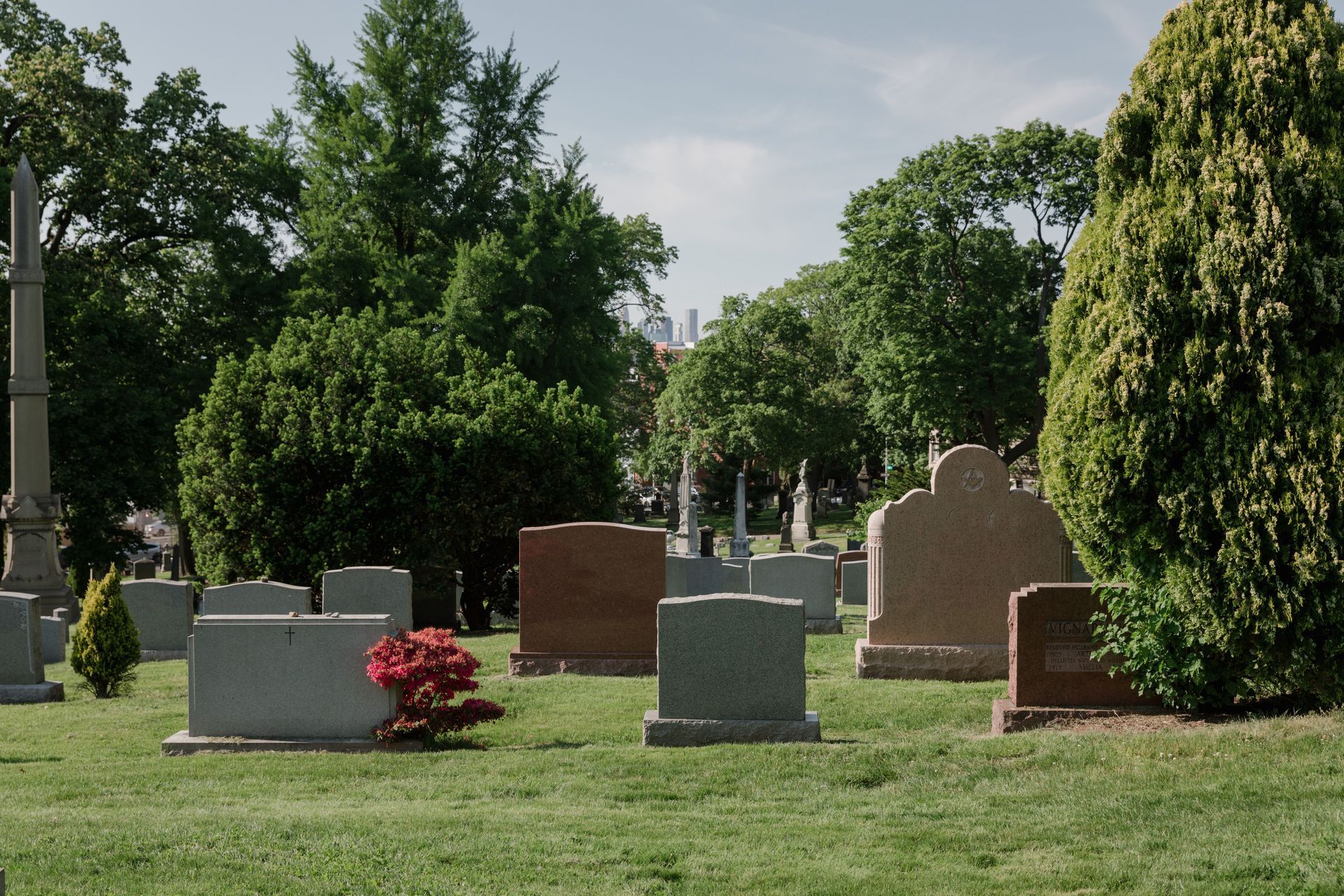
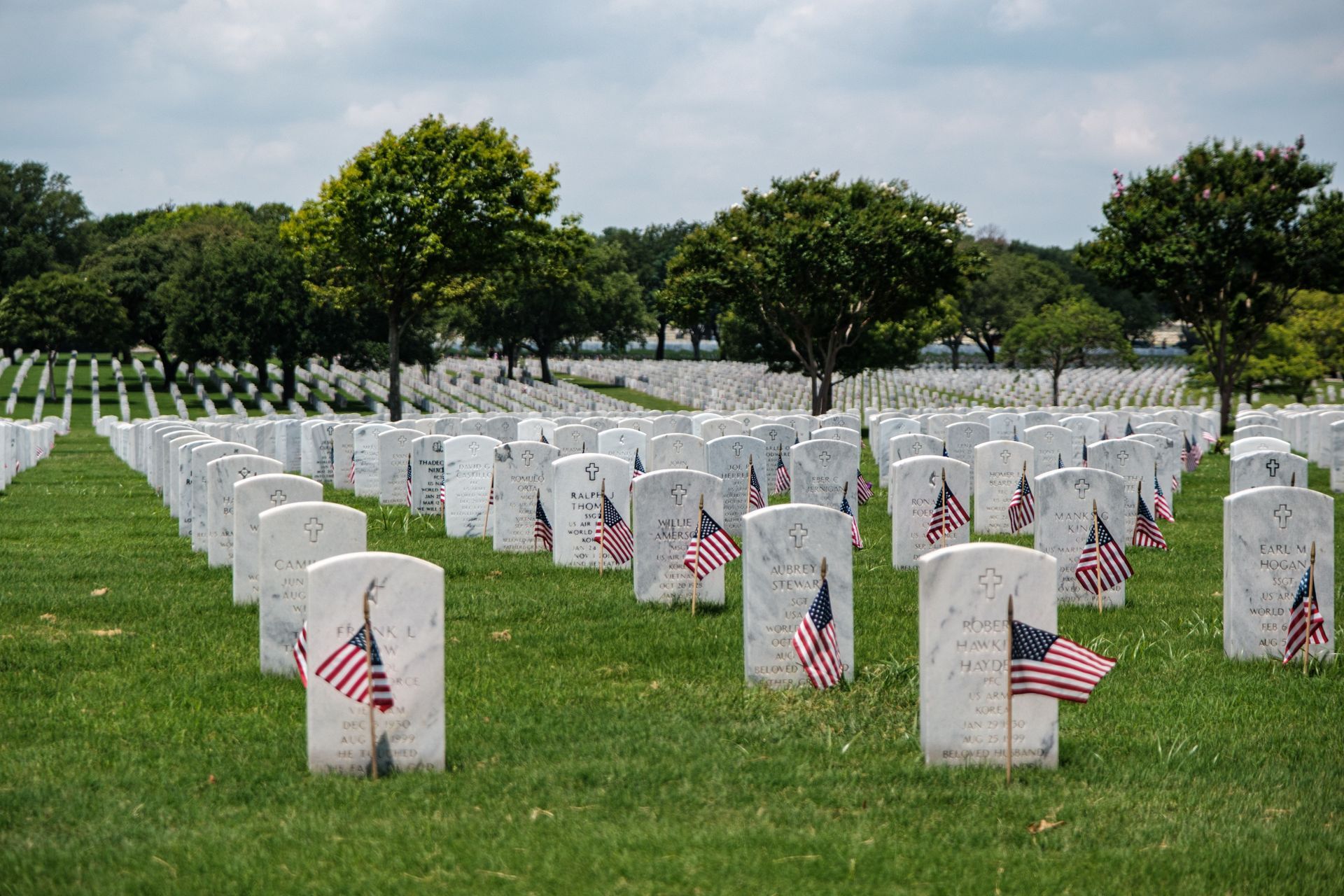
One of the most significant benefits available to veterans is burial in a national cemetery at no cost to the family. Tahoma National Cemetery, located in nearby Kent, serves veterans throughout the Pacific Northwest and provides a beautiful, serene final resting place. The benefit includes the gravesite, opening and closing of the grave, perpetual care, a government headstone or marker, a burial flag, and a Presidential Memorial Certificate.


Veterans may also choose burial in a state veterans cemetery or a private cemetery. When a private burial is preferred, the VA still provides certain benefits, including a headstone or marker and a burial flag, regardless of where the veteran is laid to rest.


Our specialized veterans services team works closely with families to coordinate these arrangements, ensuring that every detail is handled with the precision and respect that military service deserves.


Military Honors at the Funeral

The Department of Defense provides military funeral honors free of charge to all eligible veterans. At minimum, this includes a two-person uniformed military detail, the playing of Taps, and the folding and presentation of the United States flag to the next of kin. For many families, this ceremonial moment becomes one of the most powerful and memorable aspects of the entire service.


Members of various branches and veterans organizations may also participate in honor guards, depending on availability and regional resources. Requesting these honors should happen early in the planning process, as scheduling requires coordination with military units.


Burial Allowances and Plot Reimbursement

The VA offers burial allowances that help offset funeral and burial expenses for eligible veterans. The amount varies depending on whether the death was service-connected and whether the veteran was hospitalized in a VA facility at the time of death. Plot allowances may also be available when a burial occurs in a private cemetery.


While these allowances rarely cover the full cost of funeral services, they provide meaningful financial support during a time when families are managing many expenses at once. Filing the proper paperwork promptly ensures families receive everything they are entitled to receive.


Headstones, Markers, and Medallions

The VA furnishes headstones and markers for veterans buried anywhere in the world, regardless of the date of death. Bronze, granite, and marble options are available, each inscribed with the veteran's name, rank, branch of service, dates of birth and death, and authorized military awards or emblems of belief.


For veterans buried in private cemeteries with existing privately purchased headstones, the VA also provides a bronze medallion that affixes to the existing marker, signifying the deceased's status as a veteran. This option allows families to maintain consistency with existing family plots while still publicly honoring their loved one's service.


Cremation Options for Veterans

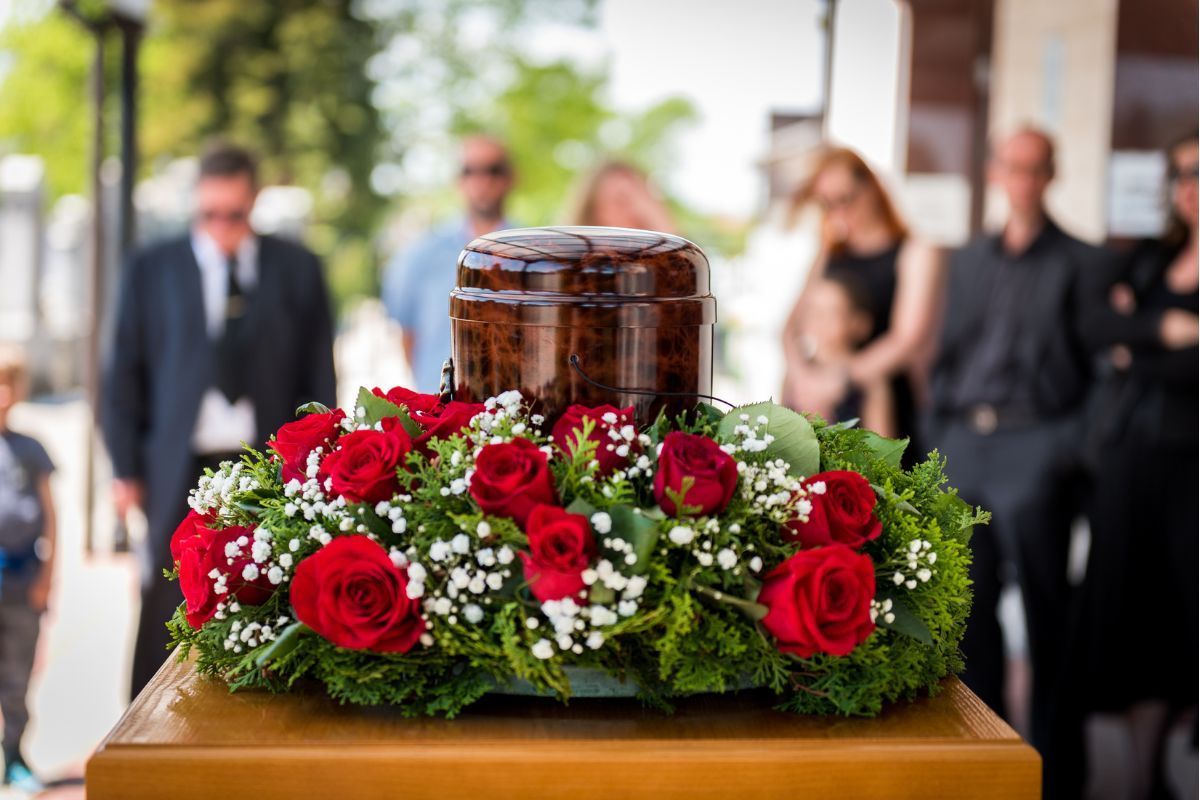
Veterans who prefer cremation receive the same benefits as those who choose burial. Cremated remains can be interred in a national cemetery columbarium or in-ground gravesite, with full military honors provided. Families may also keep cremated remains, scatter them in a meaningful location, or memorialize them in other personalized ways.


Our cremation services offer veterans and their families dignified, flexible options that honor military service while accommodating individual wishes. Whether you choose direct cremation followed by a military memorial service or cremation with a traditional viewing beforehand, every option remains available.


Planning Ahead Saves Stress Later

Many veterans choose to make their final arrangements in advance, sparing their families the stress of decision-making during grief. Pre-planning allows veterans to specify their preferences for military honors, burial location, headstone inscription, and service details. It also gives families peace of mind knowing that wishes have been clearly documented.


Taking time to plan ahead is one of the greatest gifts a veteran can give their family. Beyond logistical clarity, pre-planning often includes financial arrangements that lock in current pricing and protect against future cost increases.


Common Mistakes to Avoid

Families sometimes miss benefits because they were unaware of eligibility requirements or filing deadlines. Common mistakes include failing to locate the DD Form 214 in time, not requesting military honors early enough, choosing a funeral provider without veterans' experience, or assuming that benefits automatically apply without filing the necessary paperwork.


Working with a funeral home that understands veterans' benefits inside and out makes an enormous difference. Experienced providers know which forms to file, which deadlines apply, and how to coordinate seamlessly with the VA, the Department of Defense, and national cemetery administrations.


Honoring Service With Compassionate Care

Every veteran deserves a final tribute that reflects the magnitude of their service and sacrifice. The dedicated professionals at Scott Funeral Home and Cremation Services have extensive experience guiding military families through every aspect of veterans' funeral planning, from securing benefits to coordinating military honors with precision and grace. We understand the unique needs of veterans and their families, and we are honored to serve those who have served our country. Speak with our knowledgeable team today to learn more about how we can help you create a fitting tribute that honors a lifetime of service.

Recent Posts

Memorial services
By FCM Management May 14, 2026
Memorial services serve a vital purpose in the grieving process, but healing continues long after the day ends. Families benefit from knowing that support is available in the weeks and months that follow.
By FCM Management May 1, 2026
How to Cherish Your Loved One's Final Days—and Honor Them for a Lifetime When someone you love is nearing the end of their life, grief doesn't wait for them to be gone. The sorrow that comes while your loved one is still here (the ache of watching them change, the dread of what's coming) is a distinct emotional experience, and research shows it directly affects how you function long after the loss . Knowing how to navigate these weeks and months isn't just about surviving them. What You're Feeling Has a Name The grief that arrives before death is sometimes called anticipatory grief, but researchers now recognize it as two separate experiences happening at once: - Anticipatory grief — future-focused, centered on feared losses after death ("What will life look like without them?") - Illness-related grief — present-focused, tied to losses happening right now (changes in your loved one's abilities, personality, or your relationship with them) You may feel both simultaneously. Both are valid. What researchers do know is that how you move through this period shapes your wellbeing long after your loved one has gone. How to Be Present When It Matters Most The final weeks of life unfold in recognizable phases : from appetite loss and fatigue about a month out, to the onset of confusion in the final weeks, to the quiet of the last days. Each phase calls for a different kind of presence from you. What dying people most want is straightforward: freedom from pain, sincerity from those they love, and to feel seen as a person rather than a patient. You don't need to resolve every old tension or find the perfect words. What you can offer is to keep showing up. Some things worth saying now: - "I'm so grateful for the time we've had." - "You don't have to worry about me." - "I love you, and I'll carry you with me." - "Is there anything you want me to know?" A qualitative study of at-home caregivers found that many suppressed their own grief because they felt guilty: "How can I complain when he's the one dying?" If this sounds familiar, give yourself permission to grieve openly. Telling your loved one how much you'll miss them is a gift to them, not a burden. Some days none of this will be possible. They'll be too tired to talk, or confused, or not themselves. The relationship may be complicated, with anger or old hurt mixed in with the love. On those days, being present can mean doing nothing but sitting nearby with the TV on. That counts too. Building a Living Legacy Together One of the most meaningful things you can do during this time is work together on a legacy project, something that captures who your loved one is and passes it forward to the people who come after. Research on legacy work in end-of-life care consistently shows that when families engage in this kind of intentional memory-making, they have an easier time with grief after the death. The legacy document becomes something to hold onto. It can be as small as one recorded conversation. Common formats that work well: - Voice and video recordings — Ask your loved one to record stories: how they met your parent, what their childhood neighborhood looked like, what they wish they'd known at 25 - Legacy letters — A legacy letter passes on values, memories, and wisdom rather than possessions. Your loved one can write it, dictate it, or record it. There are no rules for format - Life review sessions — Structured storytelling about meaningful experiences is a core practice in hospice care, linked to improved dignity and emotional well-being for patients and families alike - Handmade keepsakes — A quilt, painted tiles, a handprint. Something physical to hold when words aren't enough A Five-Step Legacy Project You Can Start This Week If you're not sure where to begin, this framework works whether your loved one is at home, in a care facility, or in hospice. Ask one open question per visit. Don't pressure. Just prompt. Try: "What's a memory you're proud of?" or "What do you want people to know about you?" Record the answer on your phone, or write it down. One question is enough. Gather the photographs. Pull together physical or digital photos spanning their life. Sit together and let them tell you who's in each picture. The stories behind the photos are the real legacy. Create the document. Compile their words (from recordings, letters, or your notes) into a single document. This becomes the family record. It doesn't need to be polished; it just needs to exist. Design a tribute display. The photos and stories can become a printed booklet, a tribute table, or a poster display for the celebration of life. A poster works well when you want one visible piece for guests to gather around, and a comparison of custom print posters can help you find a format that fits the photos and words you've already collected. Plan how to share it. Decide now how this legacy material will be distributed: printed booklets for close family, a shared folder online, a framed display in the home. Honoring Them After They're Gone The work of honoring someone doesn't end at the funeral. Dignity therapy, a structured end-of-life interview process that produces a written legacy document, has been shown in multiple clinical trials to reduce anxiety in terminally ill patients and ease grief for surviving family members. The core practice is simple: sit with someone, ask them what their life has meant, and write it down. Any family can do this. After the death, there are ways to keep the connection alive: - Annual remembrance rituals — A meal on their birthday with their favorite dishes, a walk in a place they loved, a gathering where family reads their legacy letters aloud. Grief communities like Modern Loss publish personal essays from families who've worked out their own versions of these traditions, which can help when you don't know where to start - Living tributes — A donated bench, a named memorial garden, a scholarship fund - Growing the tribute — A memorial display doesn't have to stay frozen at the service. Some families reprint and update theirs as years pass and new family members arrive; tools like Adobe Express can make it easier to swap in new photos and stories without starting over. Learn more about how it works Common Questions What if my loved one doesn't want to talk about death? Follow their lead. Legacy conversations don't have to be explicitly about dying. Asking "What are your favorite memories of our family?" is a legacy conversation. So is "Teach me how to make your recipe." Meet them where they are. What if I'm too overwhelmed to do any of this? Start with one small thing: record one conversation, take one photo, write down one story. Hospice social workers, grief counselors, and pastoral care teams specialize in exactly this moment. You don't have to navigate it alone. What if our relationship was complicated? Legacy work doesn't require you to feel only love. You can record stories and gather photos with someone you have unresolved history with. The result isn't a verdict on the relationship; it's a record that the person existed and that you showed up. Resentment, guilt, and numbness aren't failures of grief. They're part of the actual texture of it. What if they die before the project is finished? That's common. A few recorded minutes, a handful of photos with names written on the back, one letter you started together: each is its own complete piece, even if the larger project never gets stitched together. Pick the work back up later, alone or with other family members, using whatever you have. When should we start? Now. Caregivers consistently say they wish they'd had more time for this work. If your loved one is living with a terminal illness, there is no such thing as starting too early. The stories and conversations you capture this week are ones you will return to for the rest of your life.
Immediate Death Services
By FCM Management April 1, 2026
At Scott Funeral Home and Cremation Services, the legacy of compassion established by L’Ray Scott continues to shape the way families are cared for today.
Funeral vs. Cremation
By FCM Management April 1, 2026
During times of loss, having compassionate support can make all the difference. Scott Funeral Home and Cremation Services has been serving the Tacoma community since 1967.
By Camille Johnson March 19, 2026
Finding Balance After Loss: How Widows and Widowers Rebuild Life
By Camille Johnson February 20, 2026
Seniors Can Buy a Home For Aging In Place Using This Essential Guide
By Camille Johnson February 6, 2026
How to Manage Life’s Major Changes with Compassion and Confidence For families in Tacoma and the surrounding communities, major life transitions bring challenges that reach far beyond logistics. Whether it’s managing the grief and uncertainty after a loss, adjusting to a new career path, or helping children through difficult changes, these moments can make home life feel unsteady and raw. The emotional weight of change often leaves loved ones stretched between practical demands and deep feelings. Recognizing these struggles is the first step, opening the door to greater understanding and a more compassionate way to move forward. Understanding How Change Shapes Our Minds and Hearts Life transitions can bring intense emotions and uncertainty, making each day feel like unfamiliar territory. Significant changes, such as loss or new beginnings, can cause mild to moderate psychological distress as people adapt to new realities. Building a resilient mindset and learning healthy coping techniques help individuals manage these emotions and steady themselves during turbulent times, a lesson highlighted by the fact that the pandemic produced mild to moderate levels of psychological distress for many. Recognizing the emotional impact of change is essential because it gives families space to process their feelings and supports healing. This understanding enables loved ones to respond with compassion, improving communication, and strengthening bonds when life feels unpredictable. Small shifts in mindset and support routines can help families cope more successfully with change. Imagine a family helping a child adjust after returning from a stressful event. By talking openly about their worries and practicing calming routines, the family creates an environment that feels safer and more manageable for everyone. With these basics in mind, effective strategies can shape your approach to both practical and emotional shifts ahead. Step-by-Step Guide for Navigating Major Life Changes Major changes (loss, a move, a career shift, a health scare, a new business) can feel overwhelming because they affect your emotions and your routines at the same time. This simple process helps families steady the ground first,then take practical steps without rushing past what everyone is feeling. Start with a real conversation (not a “fix-it” meeting) Pick a low-pressure moment and ask two gentle questions: “What feels hardest right now?” and “What would help this week feel a little steadier?” When grief is involved, even low-barrier support can reduce distress for some people,research on online bereavement support suggests these interventions can have meaningful effects, especially when people feel isolated. Protect the basics for the next 7 days When life changes, stability often comes from boring, repeatable essentials: sleep, meals, school/work rhythms, movement, and a predictable “start and end” to the day. The APA’s guidance on using social support to manage stress is a helpful reminder that you don’t have to carry hard seasons alone,your routines and your people both matter. Make a support list that’s actually usable Instead of “we should get help,” write down names and numbers: one friend/family member you can call, one local professional option, and one community directory you can search. In Washington, WA 211 is built for this,housing, food support, counseling, grief groups, and more,so you’re not reinventing the wheel when you’re already tired. Choose one “next right step” and finish it within 48 hours Momentum beats motivation during transitions. Pick one action that reduces pressure fast: schedule an appointment, gather paperwork, ask someone to watch the kids for an hour, or set up a simple weekly plan. Small completed steps restore a sense of control. If the change includes work or income, build skills in the smallest way possible Career changes can feel scary because the path forward isn’t obvious. If you’re in Washington and retraining is part of your next chapter, WorkSource lays out training and support programs that can help you explore options without guessing. If the change includes starting a business, keep the admin side simple New ventures are stressful enough,separating “building the thing” from “paperwork.” If you want a guided way to handle LLC formation and compliance tasks while you focus on your family and the work itself, ZenBusiness can serve as a practical helper,without becoming the center of your plan. These steps won’t remove the hard parts of change, but they do lower the noise. And when the noise drops, compassion and confidence get a lot easier to access. Compassionate Change Management: Your Essential Checklist To keep momentum going during uncertainty: During major transitions, having an easy-to-follow list makes compassionate action and organization possible, even when emotions run high. Prioritizing clear tasks can help families manage both the urgent needs and the deeper feelings that come with significant change. ✔ Begin a gentle conversation to name feelings and needs ✔ Safeguard daily routines for comfort and stability ✔ Confirm support contacts and emergency resources you can access ✔ Review any legal or financial paperwork that may need updating ✔ Keep a copy of your funeral plans on file and notify trusted contacts, as advised by funeral planning checklists ✔ Take one action toward a needed service or appointment this week ✔ Organize health or medication information in a secure, accessible spot Simple steps, taken one at a time, can steady the ground beneath your family during any transition. Your Questions on Loss, Services, and Support Answered Here are answers to the questions families most often ask in times of loss. Q: What can help our family begin to process grief right now? A: Simple acts like talking, journaling, drawing, or even role-playing feelings can provide comfort when everything feels unsettled. Many children find it easier to express grief in creative ways, as suggested by resources on how to talk and act out feelings . Q: How do we choose between burial and cremation services? A: Both options can honor your loved one's wishes. Cremation is becoming more common, with the U.S. cremation rate projected to reach 63.4% in 2025 , but your provider can walk you through options that fit your values and cultural needs. Q: What paperwork is needed for veteran funeral benefits? A: Accessing burial benefits requires the veteran’s DD Form 214 or a similar document, which proves honorable service. Keeping this form accessible ensures you can quickly claim any eligible benefits, as explained in veteran burial benefits checklists . Q: How can we support children as they grieve? A: Validate their feelings, maintain familiar routines, and look for age-appropriate grief programs. Many families and educators agree that offering grief education at schools is important for children’s wellbeing . Each question you ask and step you take moves your family toward greater strength and healing. Finding Strength and Community Support During Life’s Big Changes Even with strong family ties and community traditions, major life changes can still feel overwhelming and isolating. Compassion for yourself and a willingness to reach out are the foundation for healthy adaptation, as discussed throughout this guide. Discovering resilience and nurturing hope allows people to heal emotionally and slowly rediscover a sense of stability. When you let others in, support and strength follow. If today feels difficult, take one small step: talk to someone who cares, or visit a local resource for support. These connections are what help neighbors in Tacoma and beyond not just survive, but truly grow through every season of change.
September 15, 2025
The ABCs of Funeral Planning: A Calm, Practical Guide
July 25, 2025
What to Expect When a Loved One Enters Hospice Care
June 24, 2025
How to Talk with a Loved One About End-of-Life Plans
Show More