Choosing Between Burial and Cremation

Few decisions carry as much personal weight as choosing between burial and cremation. This choice touches on deeply held beliefs, family traditions, financial realities, environmental concerns, and personal preferences that vary widely from one individual to the next. For families in Tacoma facing this decision, whether during immediate loss or as part of thoughtful pre-planning, understanding the factors involved helps clarify what feels right for your unique circumstances. Neither option is inherently better than the other, and both offer meaningful ways to honor a life and support grieving loved ones through the difficult journey ahead.

Understanding What Each Option Involves

Traditional burial involves preparing the body, typically through embalming, placing it in a casket, and interring it in a cemetery plot. The process usually includes a viewing or visitation, formal funeral service, procession to the cemetery, and graveside committal. Burial creates a permanent physical location that family members can visit for years to come, marked by a headstone or monument that provides lasting recognition.

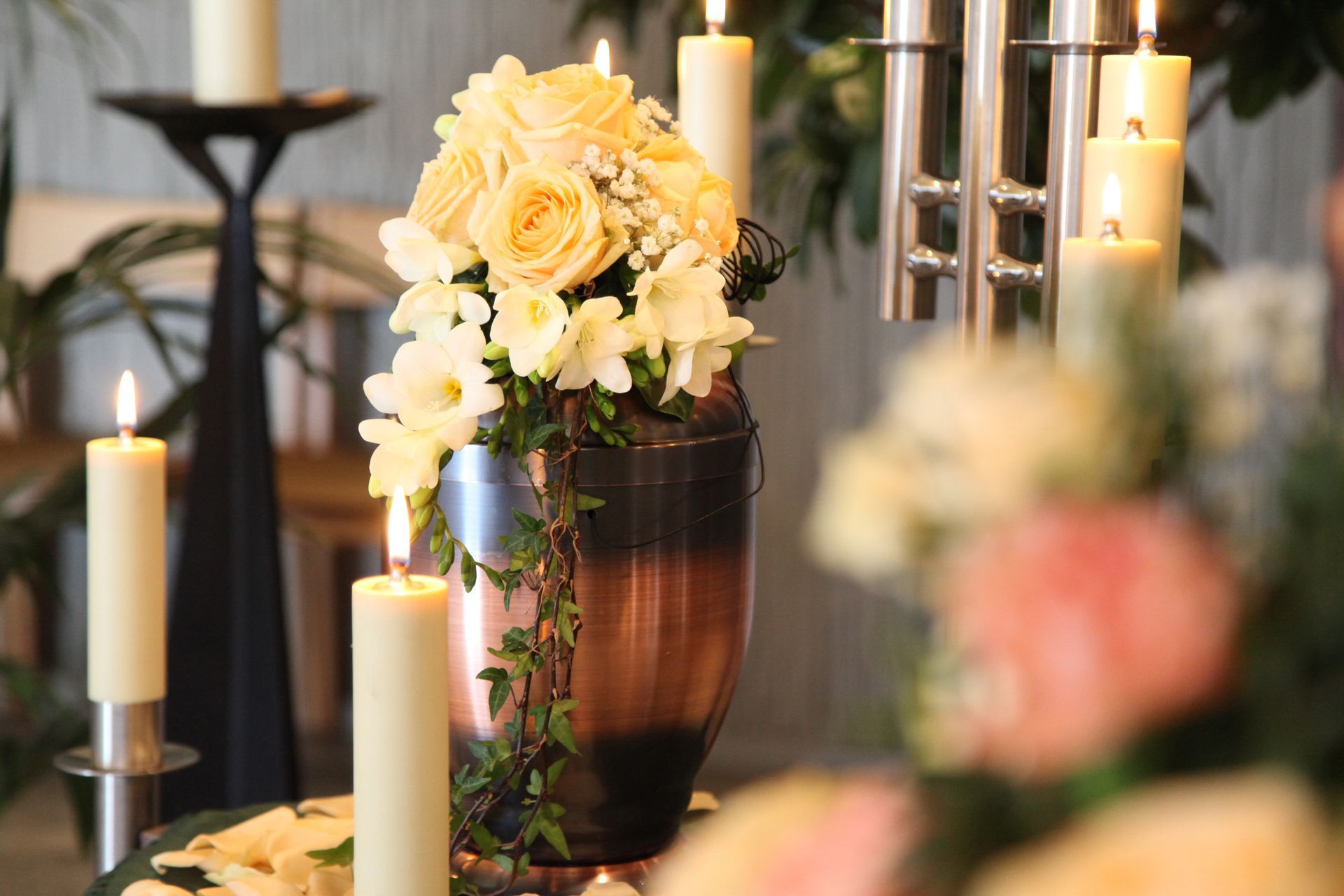
Cremation reduces the body to its essential elements through high-temperature processing, resulting in cremated remains that families can keep, scatter, inter, or memorialize in various ways. Cremation can be paired with traditional services beforehand, followed by memorial services afterward, or handled through direct cremation with minimal ceremony. This flexibility allows families to design tributes that fit their specific preferences and circumstances.

Our comprehensive cremation services offer families multiple options for incorporating meaningful ceremony while honoring individual preferences for how their loved ones are ultimately memorialized.

Religious and Spiritual Considerations

Faith traditions often influence choices between burial and cremation significantly. Some religions have clear teachings favoring one option, while others leave the decision to individual conscience. Understanding what your faith tradition teaches, and how strictly your family observes those teachings, helps inform this decision.

Orthodox Judaism and traditional Islamic practice generally require burial and prohibit cremation, viewing burial as respectful treatment of the body and cremation as inappropriate. Some Christian traditions have historically preferred burial, though most Protestant denominations and the Catholic Church now accept cremation, provided cremated remains are treated with dignity and typically interred in appropriate locations rather than scattered.

Buddhist and Hindu traditions have long practiced cremation as a spiritual matter, viewing it as helping the soul separate from the physical body. Many other spiritual perspectives find meaning in either option depending on personal belief.

For families where religious tradition strongly influences this decision, consulting with clergy or spiritual advisors provides guidance that respects tradition while addressing personal circumstances. When family members hold different beliefs, thoughtful conversation helps navigate potential disagreements before decisions become urgent.

Cost Comparisons and Financial Considerations

Financial factors play significant roles in choices between burial and cremation for many families. Traditional burial typically costs substantially more than cremation, with expenses including embalming, casket, burial plot, vault or grave liner, opening and closing of the grave, headstone or marker, and various service fees. When combined, these costs commonly total ten thousand to fifteen thousand dollars or more in the Tacoma area.

Cremation costs vary based on the level of service included. Direct cremation with minimal ceremony represents the most economical option, sometimes costing just a few thousand dollars. Cremation with traditional funeral services and viewing beforehand approaches traditional burial costs. Cremation with memorial services afterward falls between these ranges, depending on the elements included.

Cost should not be the only factor considered, but it appropriately influences decisions for families managing financial realities. Some families choose cremation specifically to preserve inheritance for children or to avoid depleting savings on funeral expenses. Others prioritize traditional burial as an important cultural or family value worth the additional expense. Both approaches reflect legitimate values.

Environmental Considerations

Environmental impact increasingly influences funeral choices as families consider how their final arrangements affect the earth. Traditional burial involves embalming chemicals, resource-intensive casket production, concrete vault materials, and cemetery land use that some families find concerning. Cremation uses significant energy and produces emissions, though environmental impacts are generally more concentrated in time.

Newer options address environmental concerns in various ways. Green burial involves interring bodies without embalming in biodegradable containers, allowing natural decomposition in dedicated natural burial grounds. Water cremation, also called alkaline hydrolysis, uses water and alkaline chemicals rather than fire, producing similar results with different environmental impacts.

Availability of these alternative options varies by location, and Tacoma-area families interested in specific environmental approaches should discuss local possibilities with funeral professionals early in the planning process. Environmental values can be honored through either burial or cremation with thoughtful choices about specific practices.

The Question of a Permanent Physical Location

One significant difference between burial and cremation involves whether the family maintains a permanent physical location associated with the deceased. Traditional burial provides a specific gravesite that family members can visit indefinitely. This location often becomes important for anniversaries, birthdays, holidays, and moments when grieving family members feel drawn to physical connection with their loved one.

Cremation offers more flexibility but requires families to make decisions about final disposition. Options include interment in a cemetery, whether in ground burial or a columbarium niche, keeping cremated remains at home in an urn, scattering in meaningful locations, dividing among family members in keepsake containers, or incorporating into memorial objects.

Some families discover unexpectedly strong preferences for permanent physical locations after loss, while others find that the flexibility of cremation actually serves them better than they initially expected. Considering how you or your family members might feel about visiting a gravesite versus other memorialization approaches helps clarify preferences.

Practical Considerations for Family Members

Family members' geographic distribution influences decisions between burial and cremation for many families. When children live far from where parents want to be buried, families sometimes struggle with whether creating a permanent burial location makes practical sense. If no one lives near the cemetery where interment would occur, the gravesite may go unvisited despite intentions.

Cremation provides options that accommodate scattered families. Cremated remains can be divided so multiple family members maintain physical connection to their loved one. Portable urns can move if families relocate. Scattering can occur in locations meaningful to everyone or be split into multiple ceremonies at various locations. This flexibility often serves modern family realities better than traditional burial patterns designed for eras when families lived in closer geographic proximity.

Timing and Scheduling Flexibility

Cremation typically offers greater scheduling flexibility than burial for family gatherings. Traditional burial usually requires services within a week or so of death, allowing time for necessary arrangements while working within the practical constraints of body preservation. This tight timeline can prove challenging when family members must travel long distances or when scheduling conflicts arise.

Cremation allows for immediate cremation followed by memorial services scheduled at family convenience. Some families hold memorial services weeks or months after death, giving relatives time to arrange travel, allowing planning for meaningful venues and personalized elements, and coordinating with important dates like anniversaries or seasonal considerations. This timing flexibility particularly benefits families spread across the country or dealing with complex logistics.

Working with our personalization team allows families to design services that reflect their loved one's life, whether choosing traditional burial with timely services or cremation with flexible memorial timing.

Honoring Individual Wishes

Perhaps the most important consideration in choosing between burial and cremation is honoring the wishes of the deceased. When individuals have expressed clear preferences during their lifetime, whether through formal pre-planning documents, informal conversations, or writing, those preferences should generally guide family decisions.

Sometimes preferences are formally documented in wills, healthcare directives, or pre-planning arrangements. Other times, family members recall conversations where preferences were expressed casually. Written statements always carry more weight than remembered conversations, particularly when family members disagree about what was said.

When no clear preferences exist, family members must make decisions together based on what they believe the deceased would have wanted. These conversations sometimes reveal that family members remember different indications of preference, requiring thoughtful discussion to reach consensus. Focusing on the deceased rather than on individual family members' preferences helps navigate these decisions.

The Value of Pre-Planning This Decision

Making burial versus cremation decisions during grief adds emotional weight to an already overwhelming period. Pre-planning eliminates this burden entirely, allowing individuals to think through their preferences carefully during calmer times and document decisions that family members can then honor without struggling to guess.

Pre-planning conversations often reveal preferences that individuals themselves had not fully articulated. The reflective process of considering options helps clarify values and priorities. Documenting the resulting decisions in formal pre-planning arrangements ensures preferences are known and respected when the time comes.

Exploring advance planning options provides opportunities to make these important decisions thoughtfully, along with related choices about services, memorialization, and financial arrangements. This gift to family members proves invaluable when eventually needed.

Combining Elements of Both Traditions

Some families find meaning in combining elements of both burial and cremation traditions in unexpected ways. Cremated remains can be buried in traditional cemetery plots, providing permanent locations while honoring preferences for cremation. Traditional viewings and funeral services can occur before cremation, allowing communities to gather around the body before the cremation process.

Portions of cremated remains can be interred in cemetery plots while other portions are retained by family members or scattered in meaningful locations. These hybrid approaches recognize that families need not choose exclusively between traditions but can create arrangements incorporating meaningful elements from various options.

Discussing these possibilities with experienced funeral professionals often reveals creative options that families would not identify independently. What might initially seem like a binary choice between burial and cremation often expands into a richer set of possibilities better suited to individual family needs.

Making the Decision That Feels Right

Ultimately, choosing between burial and cremation involves weighing multiple factors according to what matters most to you and your family. There is no universally correct answer, and both options can beautifully honor a life while providing meaningful support to grieving families. Trust your instincts and values, consult with people whose wisdom you respect, and take the time needed to feel confident in your decision.

Some families reach clarity quickly, while others struggle with the choice for extended periods. Both experiences are normal. What matters most is arriving at a decision that honors your loved one authentically and provides the family the support they need during and after the immediate period of loss.

Compassionate Guidance Through Your Decision

The choice between burial and cremation shapes many subsequent decisions about services, memorialization, and long-term family experiences with loss. The experienced team at Scott Funeral Home and Cremation Services provides thoughtful guidance through every aspect of this important decision, offering information about options, honest answers to questions, and support that respects your family's values without pressure toward any particular choice. Whether you are pre-planning your own arrangements or making decisions for a loved one, our team helps you navigate this decision with the care it deserves. Speak with our compassionate staff today to explore how burial and cremation options can each honor your loved one in meaningful ways.

Recent Posts

By Scott Funeral Home and Cremation Services • September 24, 2026
Learn how to write a meaningful obituary that honors your loved one with essential information, personal stories, and authentic voice that captures their life.

By Scott Funeral Home and Cremation Services • August 25, 2026
Discover how visitations support the healing process for Tacoma families, offering community presence, meaningful farewells, and essential space for grief.
By Scott Funeral Home and Cremation Services • August 25, 2026
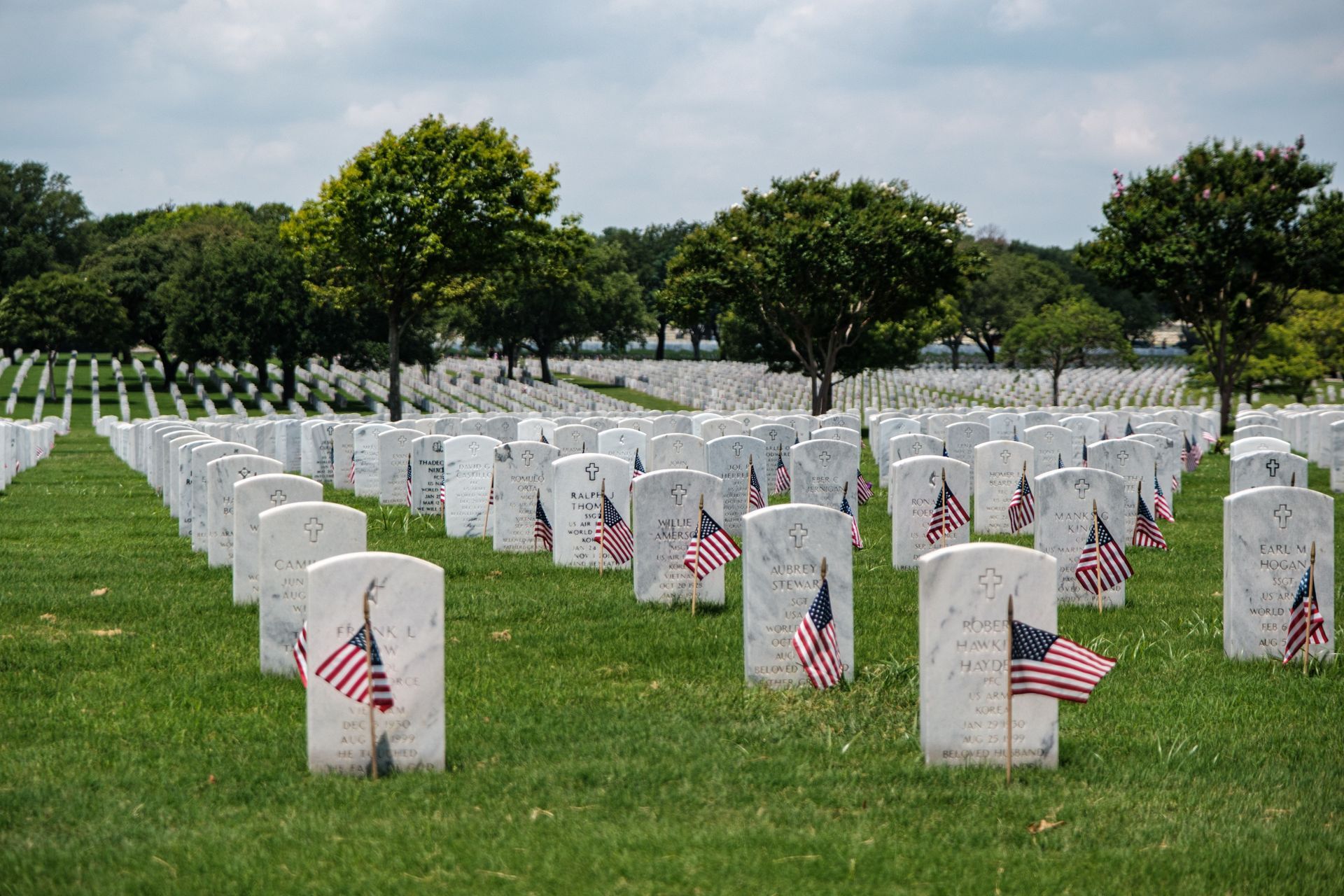
Learn what military funeral honors include for Tacoma veterans, from flag folding and Taps to rifle salutes and Presidential Memorial Certificates.
Understanding Washington State Cremation Laws
By FCM Management • July 15, 2026
Washington law establishes a clear order of priority regarding who has the legal authority to make cremation decisions when the deceased has not documented their own wishes.
Personalize a Loved One's Funeral Service
By FCM Management • July 15, 2026
For families in Tacoma seeking to create tributes that genuinely reflect their loved ones, personalization offers powerful ways to transform standard services into deeply moving celebrations of life.

grief support
By FCM Management • June 25, 2026
The good news is that Tacoma and the broader Pierce County area offer an array of resources designed to help individuals and families work through grief at their own pace, in their own way.
memorial service with cremation
By FCM Management • June 25, 2026
For families in Tacoma seeking a balance between modern preferences and time-honored remembrance, this option offers the freedom to design a tribute that reflects their loved one's personality without being constrained by rigid traditional timelines.

Traditional Funeral
By FCM Management • May 29, 2026
Traditional funerals typically include a visitation, sometimes called a viewing or wake, held either the evening before the funeral service or in the hours immediately preceding it.

advance planning options
By FCM Management • May 29, 2026
Exploring advance planning options with a knowledgeable professional helps you understand exactly how price protection works and which payment structures fit your circumstances best.
Veterans Funeral Services
By FCM Management • May 14, 2026
For veterans and their families in Tacoma and Pierce County, a range of funeral benefits is available through the Department of Veterans Affairs and the Department of Defense.

Show More