Generic ceremonies, while comforting in their familiarity, often miss opportunities to capture what made someone truly special. The most memorable funeral services are those where attendees leave feeling as though they spent time with the person being honored rather than simply attending a standardized ceremony. For families in Tacoma seeking to create tributes that genuinely reflect their loved ones, personalization offers powerful ways to transform standard services into deeply moving celebrations of life.
Starting With Who They Really Were
Effective personalization begins with honest reflection about the person being honored. Beyond the basic biographical facts, what truly defined them? What made them laugh until they cried? What causes did they champion? What hobbies consumed their weekends? What music moved them? What foods did they crave? What stories did they tell repeatedly because they brought such joy? These questions, explored with siblings, children, close friends, and longtime companions, surface the details that elevate generic ceremonies into authentic tributes.
Gathering this information often involves conversations that become healing in themselves. Family members share memories they had forgotten, discover stories they had never heard, and connect through the shared work of remembering. Sometimes these conversations reveal facets of the deceased that surprise even close family members, opening windows into lives lived more fully than anyone realized.
Visual Elements That Tell a Story
Photographs remain among the most powerful personalization tools available. A well-curated photo display spanning different chapters of life invites guests into the deceased's journey, from childhood through career, marriage, parenthood, friendships, adventures, and quieter moments. Modern photo displays go far beyond simple poster boards, with digital frames, photo books, and projected slideshows offering dynamic ways to share visual memories.
Beyond traditional photographs, consider displaying objects that represent your loved one's passions. Tools from a beloved craft or trade, books from a treasured collection, sports equipment, musical instruments, military medals, awards and recognitions, handmade items they created, or favorite garments all serve as powerful visual reminders of who they were. These memory tables invite quiet contemplation and spark conversations among guests who recognize the objects and the stories behind them.
Our
personalization specialists help families discover creative ways to display these meaningful objects, transforming standard funeral home spaces into environments that genuinely reflect the lives being honored.
Music That Moves Hearts
Few elements personalize funeral services as powerfully as carefully chosen music. The songs that defined someone's life carry emotional weight that words alone cannot match. Consider music from their youth, songs from their wedding, anthems that played during important life events, hymns from their faith tradition, or compositions that simply moved them deeply.
Memorial services benefit from a variety of musical selections. Opening with something solemn, including hymns or peaceful instrumentals during reflective moments, and closing with something more uplifting or celebratory creates emotional arcs that guide guests through the service. Live music, whether from a soloist, small ensemble, or church choir, adds depth that recorded selections cannot fully replicate, though high-quality recordings of meaningful artists also work beautifully.
Some families incorporate music in unexpected ways, such as having guests sing along to a beloved song, including recordings of the deceased singing or playing an instrument, or featuring music videos that show concerts they attended. These personal touches transform ordinary musical moments into memorable elements that attendees discuss long after the service ends.
Eulogies That Capture Their Essence
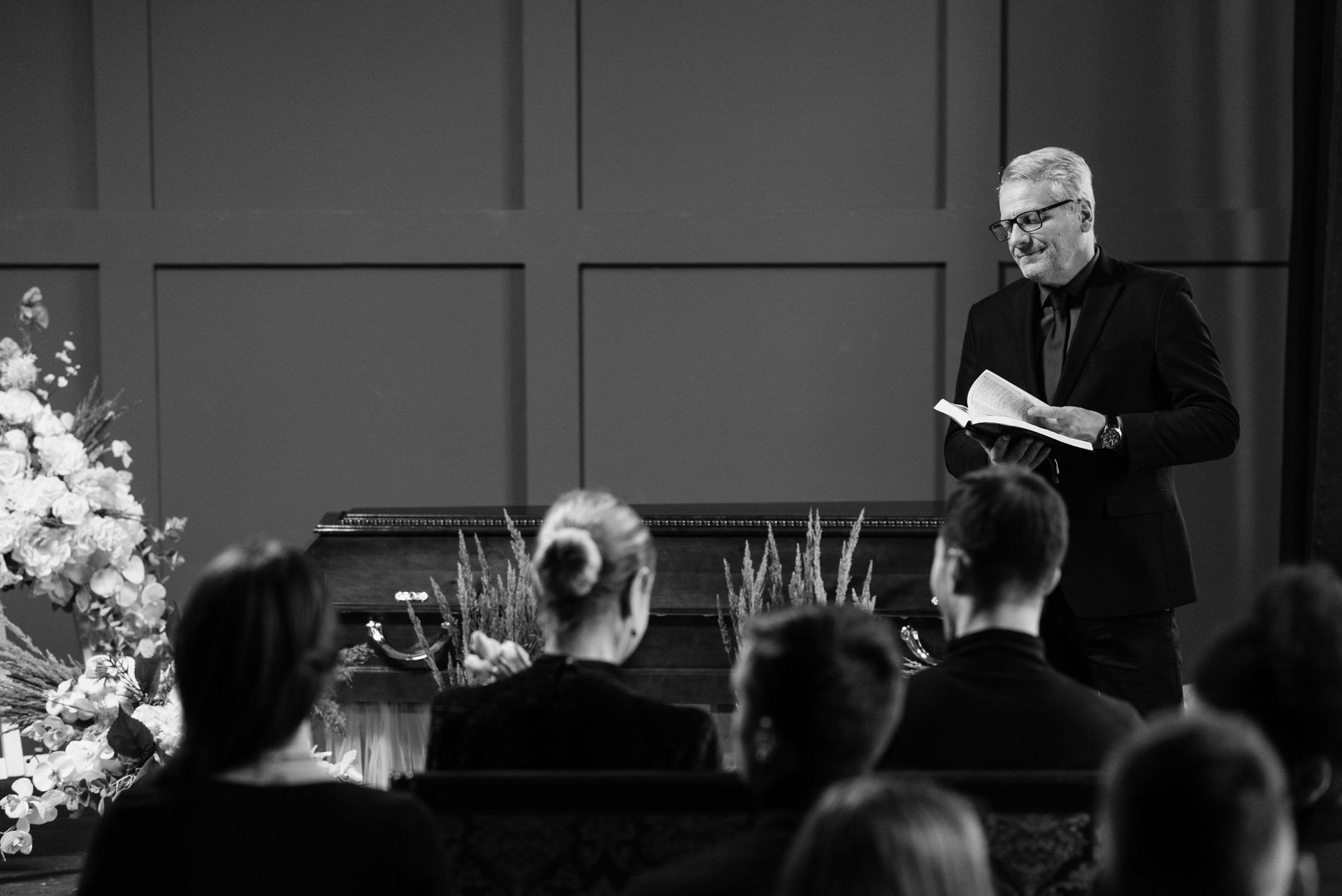
The eulogy represents one of the most personalized elements of any funeral service. Whether delivered by a clergy member, family friend, or close relative, an effective eulogy captures the essence of who someone was rather than simply listing their accomplishments. Specific stories, character-revealing details, and honest reflections create eulogies that feel like genuine portraits rather than generic tributes.
Multiple eulogies sometimes work better than a single longer one, particularly when several family members or close friends want to share. Different speakers can highlight different aspects of the deceased's life, with a spouse sharing one perspective, an adult child offering another, a longtime friend providing a third, and a colleague contributing a fourth. The collective portrait that emerges captures complexity that any single speaker would struggle to convey alone.
Inviting guests to share spontaneous memories during the service creates particularly powerful moments. While this approach requires courage from grieving family members willing to relinquish some control over the service, the resulting stories often become highlights that guests remember most vividly.
Themes That Reflect Their Life
Some families create thematic services that consistently reflect a defining aspect of their loved one's life. A passionate gardener might be honored with services featuring flowers from their own garden, locations within parks or gardens, and stories highlighting their relationship with growing things. A devoted fisherman might be remembered through services incorporating outdoor settings, fishing memorabilia, and stories of memorable catches and shared time on the water.
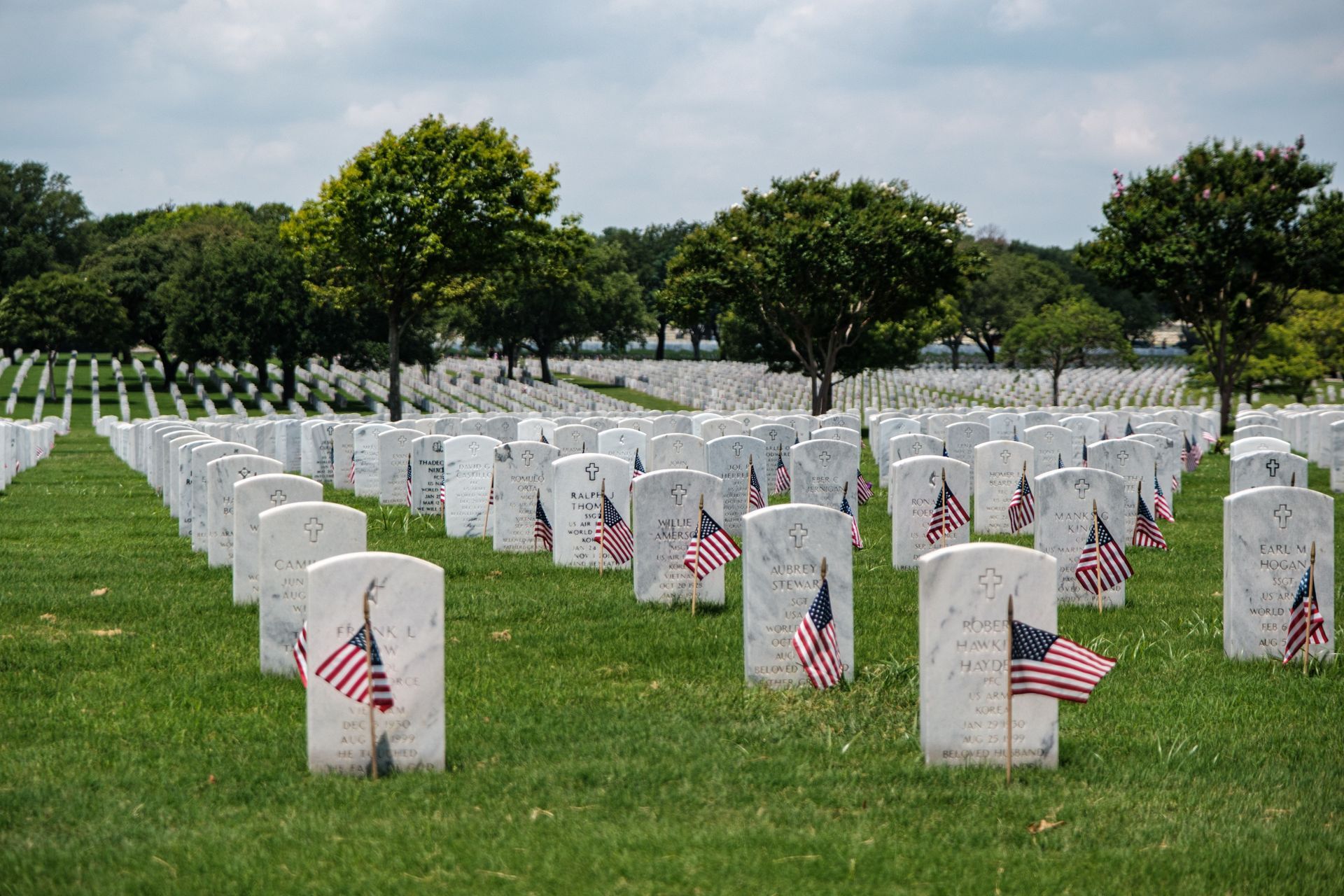
Military veterans often receive themed services honoring their service through uniformed honor guards, displays of medals and memorabilia, patriotic music, and ceremonial moments like flag presentations. Artists, musicians, teachers, athletes, business owners, and others whose work defines them all benefit from services that consistently reflect those defining elements.
Themes work best when they feel authentic rather than forced. The goal is to amplify what was genuinely central to the person's identity rather than imposing themes that family members find appealing but that the deceased themselves would not have recognized.
Including Children Meaningfully
Children process grief differently than adults, and including them thoughtfully in funeral services often helps both their healing and the family's overall experience. Age-appropriate involvement might include drawing pictures to display, choosing a song to play, releasing butterflies or balloons at appropriate moments, placing flowers on the casket, or sharing brief memories if they wish.
Our
guidance for supporting children through grief offers practical approaches for involving young people meaningfully without overwhelming them. Children often feel valued when given specific roles to play, and their participation frequently provides poignant moments that adult attendees remember warmly. Even very young children can contribute through symbolic actions and their natural reactions, whether tears, questions, or seemingly unrelated comments, often reflect deeper processing than adults initially recognize.
Interactive Elements for Guests
Beyond passive attendance, modern funeral services increasingly invite guest participation in ways that create lasting connections. Memory jars where attendees write favorite stories that family members read later, photo boards where guests can pin their own pictures with the deceased, signing books with prompts beyond simple name and address, video stations where guests record brief tributes, and craft tables where guests create memorial items all transform funerals from passive observation into active participation.
These interactive elements work particularly well during visitations and receptions when more time exists for engagement than during formal service portions. The contributions guests provide often become treasured keepsakes that families revisit for years afterward, with handwritten memories from people the deceased loved offering comfort during difficult moments long after services conclude.
Personalizing the Final Resting Place
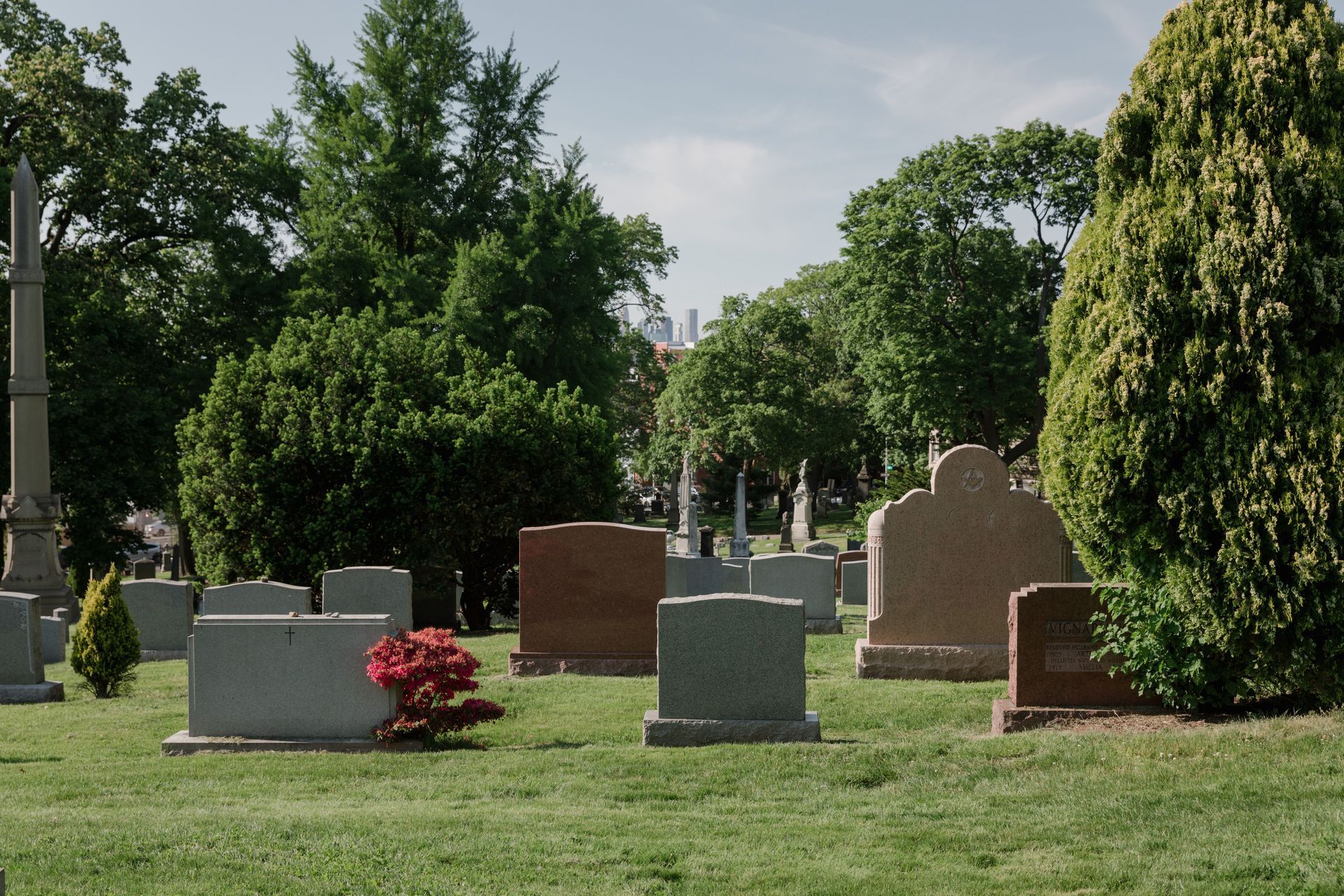
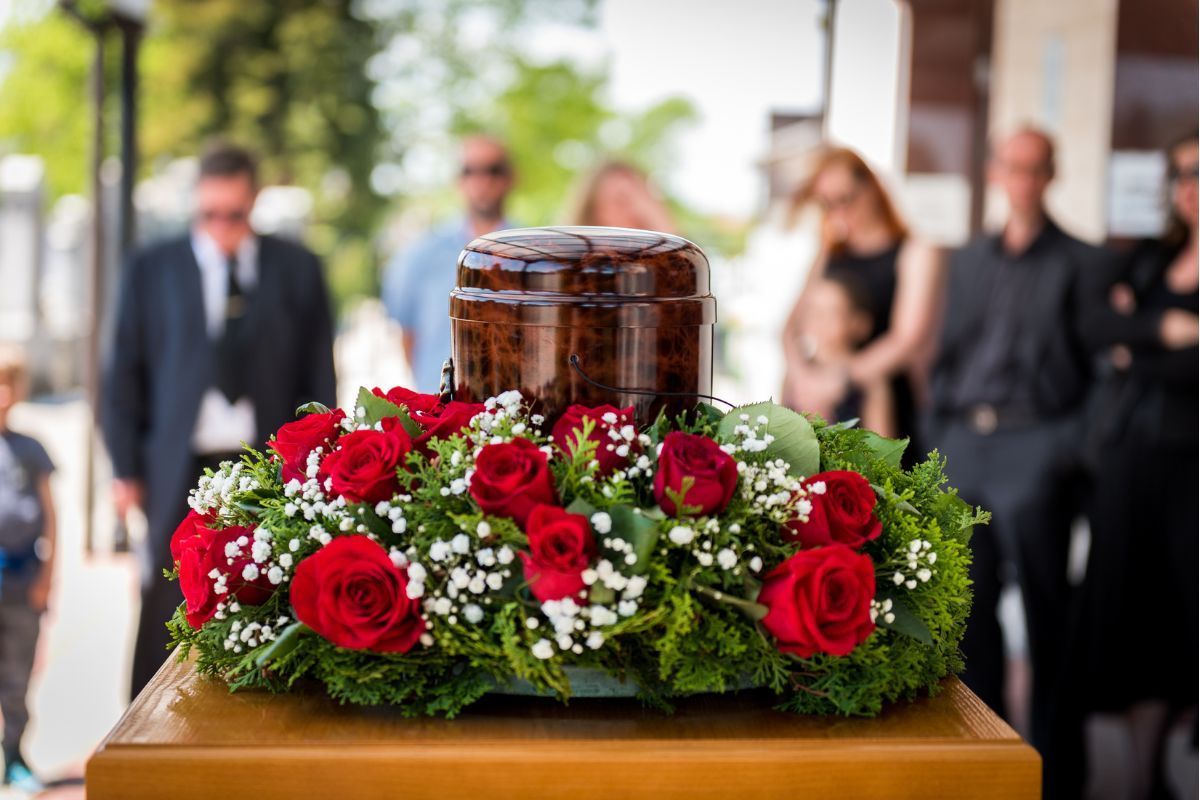
Personalization extends beyond the service itself to the final memorialization of the deceased. Customized headstones featuring imagery, inscriptions, or symbols meaningful to the person provide lasting tributes at burial sites. Personalized urns reflecting hobbies, careers, or passions transform standard cremation containers into expressive memorials.
For families choosing to retain cremated remains at home, options for incorporating them into meaningful objects continue expanding. Memorial jewelry containing small amounts of cremated remains, glass art incorporating ashes, garden stones, and other creative options provide ways to maintain physical connection while honoring individual aesthetic preferences and emotional needs.
Cultural and Spiritual Personalization
Religious and cultural traditions provide rich frameworks for personalization while honoring deeper heritage. Catholic services can incorporate specific prayers, saints, and liturgical elements meaningful to particular families. Protestant services can feature favorite hymns and scriptures. Jewish services can include traditional prayers alongside personal touches. Buddhist services can incorporate meditation moments and culturally specific elements.
Beyond formal religious traditions, cultural heritage offers additional personalization opportunities. Music, foods, languages, customs, and ceremonial elements from family backgrounds connect services to broader communities and traditions while honoring individual lives. These elements particularly benefit second- and third-generation immigrant families who want to honor heritage while celebrating American lives shaped by multiple cultural influences.
Practical Considerations During Planning
Personalization works best when planned with sufficient time and attention. Rushing through personalization decisions often results in generic services because creative options take time to identify and implement. Families who pre-plan often achieve more meaningful personalization than those who plan during the immediate aftermath of loss, simply because pre-planning provides the mental space needed for creative reflection.
Even when planning during immediate grief, working with experienced funeral professionals who routinely suggest personalization possibilities helps families discover options they would not identify independently. Resources like
meaningful conversations about life and legacy provide structured ways to capture the details that personalization requires, whether used before death as part of pre-planning or after death as families work to document essential elements of a life.
Bringing Personalization to Life
The most meaningful funeral services emerge from collaboration between grieving families and experienced funeral professionals who understand how to translate personal details into ceremonial elements. The compassionate team atScott Funeral Home and Cremation Services has helped Tacoma families create deeply personalized services for years, drawing on extensive experience to suggest creative approaches that capture what made each life unique. From subtle touches to comprehensive thematic services, our team works closely with families to design tributes that genuinely honor the people being remembered.
Connect with our caring staff today to discuss how we can help you create a personalized service that authentically celebrates someone you love.