The Role of Visitation in the Healing Process

Long before formal funeral services begin, families and friends often gather for something quieter but equally meaningful: the visitation. Sometimes called a viewing or wake, this gathering serves purposes that extend far beyond simply providing an opportunity to see the deceased one last time. Visitations create sacred space for the earliest work of grief, offering structure during hours that might otherwise feel formless and providing emotional benefits that ripple through the entire healing process. For families in Tacoma navigating loss, understanding what visitations offer can help them decide whether to include this important element in their arrangements.

What Visitation Actually Involves

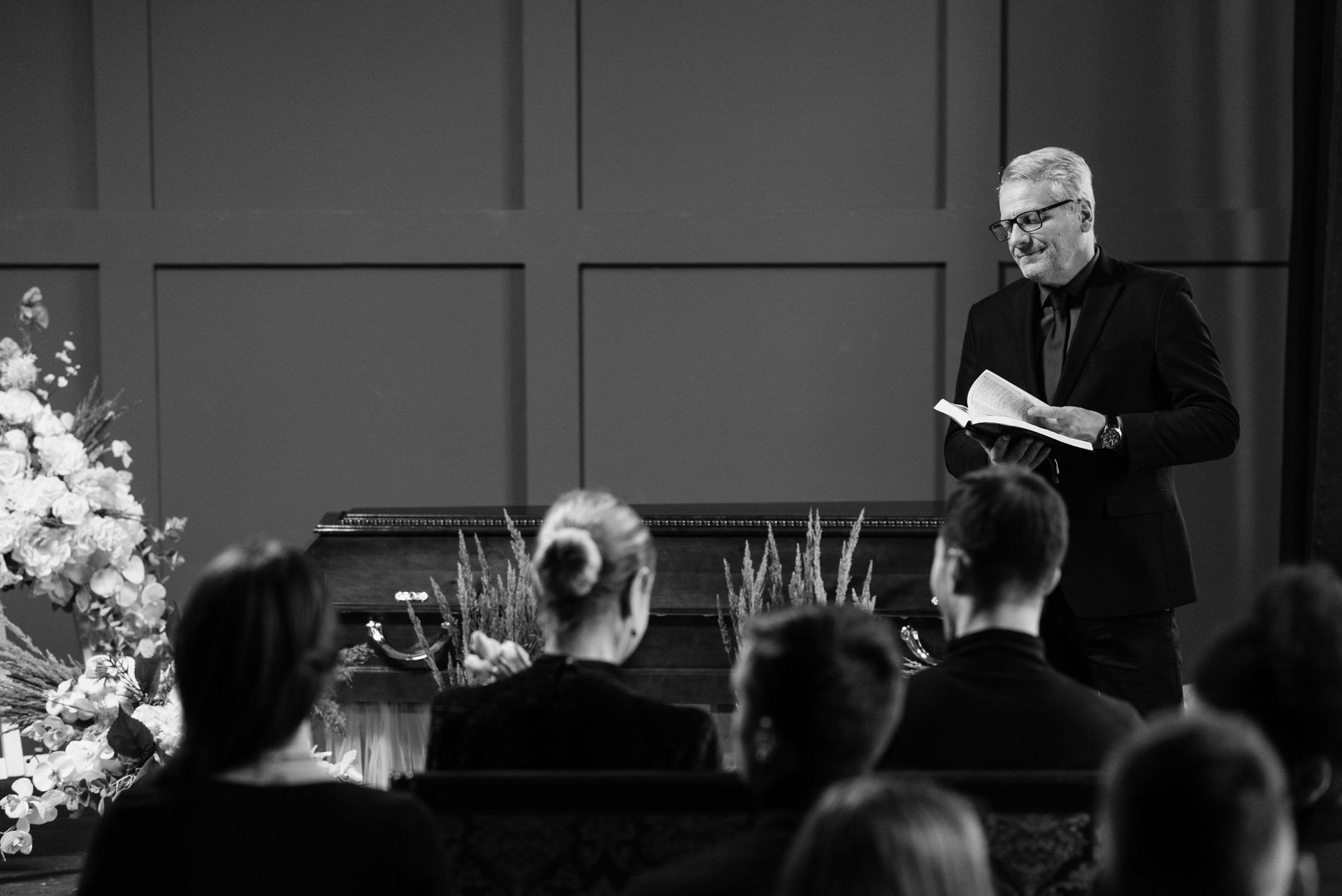
A visitation typically occurs in the day or evening before the funeral service, though some families schedule visitations immediately preceding the service itself. Held at the funeral home, church, or occasionally at a family residence, visitations create informal spaces where mourners can pay respects, share condolences with the immediate family, and view the deceased if the casket remains open.

Unlike formal funeral services with their structured programs, visitations flow more organically. Guests arrive when they can, spend as much or as little time as feels right, and leave when ready. Conversations happen naturally, hugs are exchanged freely, and tears flow without the constraints of formal ceremony. This informality creates emotional space that structured services cannot replicate, allowing grief to move through gatherings in its own rhythm.

The First Public Acknowledgment of Loss

Visitations often mark the first public acknowledgment that someone has died. Before the visitation, immediate family members may have shared the news privately with close relatives and friends, but the visitation transforms private grief into shared community experience. This transition, while painful, plays a crucial role in the grieving process.

Speaking about the deceased in past tense, receiving condolences from those who cared about them, and physically standing near the casket all reinforce the reality of loss in ways that intellectual acknowledgment cannot. Many people describe visitations as the moment when death became real for them, a difficult but necessary shift that opens the door to genuine grief work.

Our comprehensive funeral services include coordinating meaningful visitations that provide this important space for families and their communities to begin processing loss together.

Creating Space for Diverse Relationships

The deceased likely maintained relationships with many different people throughout their life. Immediate family members, extended relatives, longtime friends, work colleagues, neighbors, fellow church members, service club companions, and countless others may want to pay respects. Formal funeral services, with their structured programs and limited time, often cannot accommodate the depth of expression that all these relationships deserve.

Visitations solve this challenge beautifully. The extended time frame allows people from different areas of the deceased's life to attend at times that work for them. A former coworker can stop by during a lunch break, a distant cousin can visit before driving home, and a neighbor can attend after finishing work. Each person receives the opportunity to say goodbye and offer support without competing for time within a formal ceremony.

The Power of Physical Presence

Something profound happens when people gather in physical presence during grief. Text messages, phone calls, and social media condolences all offer valuable support, but nothing replaces standing together in the same room, sharing tears, exchanging hugs, and simply being present with one another. Visitations create this physical gathering space in ways that other elements of the funeral experience may not fully provide.

For the immediate family, seeing so many people take time from busy lives to acknowledge their loss provides tangible evidence that their loved one mattered to a wide community. This visible demonstration of connection often provides unexpected comfort during hours that might otherwise feel isolated. Even quiet visitors who cannot find words to say offer meaningful support simply through their presence.

Viewing the Deceased

Open casket visitations allow family members and friends to view the deceased one final time. While this practice sometimes generates strong opinions, both for and against, viewing offers genuine psychological benefits for many people. Seeing the physical body helps confirm the reality of death in ways that hearing about it cannot fully accomplish. The finality becomes concrete rather than abstract.

Viewing also provides opportunities for private goodbyes that may not be possible during formal services. Family members can approach the casket, speak quietly to their loved one, touch their hand, or simply stand nearby in silence. These intimate moments carry deep meaning for many people, providing closure that supports subsequent grief work.

Not everyone chooses to view the deceased, and no one should feel pressured to approach the casket. Closed casket visitations remain equally valid, offering the same community gathering benefits without the visual element. Families can also request that the casket be open during certain hours and closed during others, accommodating different preferences among expected guests.

Supporting Different Grieving Styles

People grieve in remarkably different ways, and visitations accommodate this diversity better than more structured elements of funeral traditions. Some people need to talk extensively about the deceased, sharing stories and asking questions. Others prefer quiet presence, sitting nearby without much conversation. Some find comfort in laughter and lighter moments, while others need space for uninterrupted tears.

Visitations provide room for all these responses simultaneously. In one corner of the room, animated conversation about the deceased's sense of humor might unfold, while in another area quiet contemplation dominates. Both responses honor the deceased authentically, and neither is more appropriate than the other. Our personalization services help families create visitation environments that welcome diverse grieving styles through thoughtful details like memory tables, photo displays, and comfortable seating arrangements.

Practical Benefits for Immediate Family

Beyond emotional benefits, visitations offer practical advantages for immediate family members. Receiving condolences from many people over extended hours proves less exhausting than trying to acknowledge everyone during shorter formal services. Family members can take brief breaks when needed, sit down when emotions overwhelm them, and step away for moments of quiet without disrupting the flow.

Visitations also allow family members to hear stories about their loved one that they may not have known. Colleagues share workplace anecdotes, longtime friends recount adventures from decades past, and acquaintances describe moments that reveal aspects of the deceased that even close family members had not fully appreciated. These stories become treasured memories that families carry forward, sometimes providing greater comfort in retrospect than they seemed to offer at the time.

Cultural and Religious Traditions

Many cultural and religious traditions place particular emphasis on visitation-style gatherings. Irish wakes historically involve extended gatherings with food, drink, storytelling, and sometimes even music, celebrating the deceased's life while acknowledging loss. Catholic traditions often include prayer services during visitations, with rosary recitations, scripture readings, and formal blessings.

Jewish traditions, while structured differently, share the underlying value of communal gathering during grief through shiva periods that extend for days after burial. Buddhist and Hindu traditions incorporate their own gathering customs that recognize the importance of community presence during loss. Regardless of specific traditions, the underlying wisdom remains consistent: people should not grieve alone, and gathering with community during loss serves essential purposes.

Including Children in Visitations

Parents sometimes wonder whether children should attend visitations, particularly when open caskets are involved. There is no universal answer, as children's readiness varies based on age, temperament, prior experiences with death, and their relationship with the deceased. When children do attend, preparation helps significantly.

Explaining what they will see, what other people might be doing, and what feelings are appropriate helps children navigate visitations without feeling overwhelmed or confused. Allowing children to bring drawings, letters, or small objects to leave near the casket provides meaningful ways for them to participate. Giving children permission to leave the room when they need breaks respects their emotional limits while still including them in family gatherings.

The Transition Toward Formal Services

Visitations serve as bridges between private family grief and formal public ceremonies. By the time formal funeral services begin, family members have already received extensive support, shared many memories, and processed initial waves of shock. The formal ceremony then builds on foundations that visitations established, allowing families to participate in structured elements with greater emotional presence than would be possible without preliminary gathering time.

This transition function makes visitations particularly valuable even for families uncertain about their necessity. What might seem like adding an additional obligation to already difficult days often provides essential preparation for the ceremonies that follow, making formal services more meaningful rather than more exhausting.

Extending Support Beyond the Visitation

Healing continues long after visitations and funeral services conclude, and families benefit from knowing what support remains available. Our comprehensive grief resources provide ongoing tools, referrals, and information to help mourners navigate the extended journey of grief that follows any significant loss. The connections made during visitations often become part of ongoing support networks that sustain families through weeks and months of adjustment.

Compassionate Coordination for Every Detail

Whether you envision an intimate visitation for immediate family or an extended gathering welcoming your entire community, the dedicated team at Scott Funeral Home and Cremation Services provides thoughtful coordination that ensures every aspect flows smoothly. From arranging comfortable spaces to coordinating timing to accommodating personal touches that reflect your loved one's life, our experienced staff handles the details so families can focus on what matters most. Reach out to our caring team today to discuss how a meaningful visitation can support your family through the important work of grieving well.

Recent Posts

By Scott Funeral Home and Cremation Services August 25, 2026
Learn what military funeral honors include for Tacoma veterans, from flag folding and Taps to rifle salutes and Presidential Memorial Certificates.
Understanding Washington State Cremation Laws
By FCM Management July 15, 2026
Washington law establishes a clear order of priority regarding who has the legal authority to make cremation decisions when the deceased has not documented their own wishes.

Personalize a Loved One's Funeral Service
By FCM Management July 15, 2026
For families in Tacoma seeking to create tributes that genuinely reflect their loved ones, personalization offers powerful ways to transform standard services into deeply moving celebrations of life.

grief support
By FCM Management June 25, 2026
The good news is that Tacoma and the broader Pierce County area offer an array of resources designed to help individuals and families work through grief at their own pace, in their own way.
memorial service with cremation
By FCM Management June 25, 2026
For families in Tacoma seeking a balance between modern preferences and time-honored remembrance, this option offers the freedom to design a tribute that reflects their loved one's personality without being constrained by rigid traditional timelines.

Traditional Funeral
By FCM Management May 29, 2026
Traditional funerals typically include a visitation, sometimes called a viewing or wake, held either the evening before the funeral service or in the hours immediately preceding it.

advance planning options
By FCM Management May 29, 2026
Exploring advance planning options with a knowledgeable professional helps you understand exactly how price protection works and which payment structures fit your circumstances best.

Veterans Funeral Services
By FCM Management May 14, 2026
For veterans and their families in Tacoma and Pierce County, a range of funeral benefits is available through the Department of Veterans Affairs and the Department of Defense.
Memorial services
By FCM Management May 14, 2026
Memorial services serve a vital purpose in the grieving process, but healing continues long after the day ends. Families benefit from knowing that support is available in the weeks and months that follow.
By FCM Management May 1, 2026
How to Cherish Your Loved One's Final Days—and Honor Them for a Lifetime When someone you love is nearing the end of their life, grief doesn't wait for them to be gone. The sorrow that comes while your loved one is still here (the ache of watching them change, the dread of what's coming) is a distinct emotional experience, and research shows it directly affects how you function long after the loss . Knowing how to navigate these weeks and months isn't just about surviving them. What You're Feeling Has a Name The grief that arrives before death is sometimes called anticipatory grief, but researchers now recognize it as two separate experiences happening at once: - Anticipatory grief — future-focused, centered on feared losses after death ("What will life look like without them?") - Illness-related grief — present-focused, tied to losses happening right now (changes in your loved one's abilities, personality, or your relationship with them) You may feel both simultaneously. Both are valid. What researchers do know is that how you move through this period shapes your wellbeing long after your loved one has gone. How to Be Present When It Matters Most The final weeks of life unfold in recognizable phases : from appetite loss and fatigue about a month out, to the onset of confusion in the final weeks, to the quiet of the last days. Each phase calls for a different kind of presence from you. What dying people most want is straightforward: freedom from pain, sincerity from those they love, and to feel seen as a person rather than a patient. You don't need to resolve every old tension or find the perfect words. What you can offer is to keep showing up. Some things worth saying now: - "I'm so grateful for the time we've had." - "You don't have to worry about me." - "I love you, and I'll carry you with me." - "Is there anything you want me to know?" A qualitative study of at-home caregivers found that many suppressed their own grief because they felt guilty: "How can I complain when he's the one dying?" If this sounds familiar, give yourself permission to grieve openly. Telling your loved one how much you'll miss them is a gift to them, not a burden. Some days none of this will be possible. They'll be too tired to talk, or confused, or not themselves. The relationship may be complicated, with anger or old hurt mixed in with the love. On those days, being present can mean doing nothing but sitting nearby with the TV on. That counts too. Building a Living Legacy Together One of the most meaningful things you can do during this time is work together on a legacy project, something that captures who your loved one is and passes it forward to the people who come after. Research on legacy work in end-of-life care consistently shows that when families engage in this kind of intentional memory-making, they have an easier time with grief after the death. The legacy document becomes something to hold onto. It can be as small as one recorded conversation. Common formats that work well: - Voice and video recordings — Ask your loved one to record stories: how they met your parent, what their childhood neighborhood looked like, what they wish they'd known at 25 - Legacy letters — A legacy letter passes on values, memories, and wisdom rather than possessions. Your loved one can write it, dictate it, or record it. There are no rules for format - Life review sessions — Structured storytelling about meaningful experiences is a core practice in hospice care, linked to improved dignity and emotional well-being for patients and families alike - Handmade keepsakes — A quilt, painted tiles, a handprint. Something physical to hold when words aren't enough A Five-Step Legacy Project You Can Start This Week If you're not sure where to begin, this framework works whether your loved one is at home, in a care facility, or in hospice. Ask one open question per visit. Don't pressure. Just prompt. Try: "What's a memory you're proud of?" or "What do you want people to know about you?" Record the answer on your phone, or write it down. One question is enough. Gather the photographs. Pull together physical or digital photos spanning their life. Sit together and let them tell you who's in each picture. The stories behind the photos are the real legacy. Create the document. Compile their words (from recordings, letters, or your notes) into a single document. This becomes the family record. It doesn't need to be polished; it just needs to exist. Design a tribute display. The photos and stories can become a printed booklet, a tribute table, or a poster display for the celebration of life. A poster works well when you want one visible piece for guests to gather around, and a comparison of custom print posters can help you find a format that fits the photos and words you've already collected. Plan how to share it. Decide now how this legacy material will be distributed: printed booklets for close family, a shared folder online, a framed display in the home. Honoring Them After They're Gone The work of honoring someone doesn't end at the funeral. Dignity therapy, a structured end-of-life interview process that produces a written legacy document, has been shown in multiple clinical trials to reduce anxiety in terminally ill patients and ease grief for surviving family members. The core practice is simple: sit with someone, ask them what their life has meant, and write it down. Any family can do this. After the death, there are ways to keep the connection alive: - Annual remembrance rituals — A meal on their birthday with their favorite dishes, a walk in a place they loved, a gathering where family reads their legacy letters aloud. Grief communities like Modern Loss publish personal essays from families who've worked out their own versions of these traditions, which can help when you don't know where to start - Living tributes — A donated bench, a named memorial garden, a scholarship fund - Growing the tribute — A memorial display doesn't have to stay frozen at the service. Some families reprint and update theirs as years pass and new family members arrive; tools like Adobe Express can make it easier to swap in new photos and stories without starting over. Learn more about how it works Common Questions What if my loved one doesn't want to talk about death? Follow their lead. Legacy conversations don't have to be explicitly about dying. Asking "What are your favorite memories of our family?" is a legacy conversation. So is "Teach me how to make your recipe." Meet them where they are. What if I'm too overwhelmed to do any of this? Start with one small thing: record one conversation, take one photo, write down one story. Hospice social workers, grief counselors, and pastoral care teams specialize in exactly this moment. You don't have to navigate it alone. What if our relationship was complicated? Legacy work doesn't require you to feel only love. You can record stories and gather photos with someone you have unresolved history with. The result isn't a verdict on the relationship; it's a record that the person existed and that you showed up. Resentment, guilt, and numbness aren't failures of grief. They're part of the actual texture of it. What if they die before the project is finished? That's common. A few recorded minutes, a handful of photos with names written on the back, one letter you started together: each is its own complete piece, even if the larger project never gets stitched together. Pick the work back up later, alone or with other family members, using whatever you have. When should we start? Now. Caregivers consistently say they wish they'd had more time for this work. If your loved one is living with a terminal illness, there is no such thing as starting too early. The stories and conversations you capture this week are ones you will return to for the rest of your life.
Show More