Military Funeral Honors Explained for Tacoma Families

Few tributes carry the weight and dignity of military funeral honors. For veterans and their families in Tacoma, these time-honored ceremonies represent the nation's formal acknowledgment of service, sacrifice, and the bond shared among all who have worn the uniform. With Joint Base Lewis-McChord serving as a cornerstone of our region and countless veterans making Pierce County their home, understanding what military funeral honors involve helps families prepare meaningful tributes that reflect both the deceased's service and the deep respect they earned. From the folding of the flag to the mournful notes of Taps, every element carries symbolic meaning that transforms a funeral into a lasting testament of gratitude.

Who Qualifies for Military Funeral Honors

Federal law entitles most veterans to military funeral honors at no cost to the family. Eligible individuals include military members who died on active duty, veterans who served in the active military and were discharged under conditions other than dishonorable, and members of the Selected Reserve. National Guard members who completed qualifying service or who died while performing authorized training also qualify for honors.

Documentation matters significantly when requesting these benefits. The DD Form 214, commonly called discharge papers, serves as the primary proof of eligibility for most veterans. Families should locate this document early in the funeral planning process. If the DD Form 214 cannot be located, the National Personnel Records Center can provide copies, though this process sometimes takes weeks or longer. Our team at Scott Funeral Home and Cremation Services helps families navigate these documentation requirements while coordinating every aspect of honors requests.

The Core Elements of Military Honors

At minimum, military funeral honors include three ceremonial elements that carry deep symbolic meaning for veterans and their families. The first is the presence of a uniformed military detail, typically consisting of at least two service members from the branch in which the deceased served. When possible, at least one detail member matches the deceased's branch of service, though this cannot always be guaranteed given scheduling constraints.

The second core element is the playing of Taps, that iconic 24-note bugle call that has bid farewell to American service members for over 150 years. Ideally performed by a live bugler, Taps may also be played through a ceremonial bugle when live musicians are unavailable. Either way, those familiar notes create moments of profound reverence that guests remember long after services conclude.

The third essential element is the ceremonial folding and presentation of the United States flag to the next of kin. Each fold carries symbolic meaning, and the final presentation to a spouse, parent, child, or other close family member represents the nation's formal expression of gratitude for the deceased's service.

The Flag Folding Ceremony

The flag folding ceremony deserves special attention because of its powerful symbolism and emotional impact. Two members of the military detail carefully unfold the flag over the casket or urn, holding it taut and level. They then execute thirteen precise folds, each performed with deliberate movements that reflect training and reverence.

Each fold traditionally represents a specific meaning, though interpretations vary somewhat across military branches and ceremonial traditions. Common interpretations include folds representing life, belief in eternal life, honor and remembrance of veterans, tributes to those in armed services, and recognition of mothers who have raised sons and daughters for military service.

When completed properly, the folded flag forms a triangular shape displaying only the blue field with white stars, symbolic of the motto "In God We Trust." The senior detail member then presents this folded flag to the designated next of kin, typically accompanied by words expressing the nation's gratitude for faithful and honorable service.

Additional Honors for Certain Veterans

Beyond the core three elements, additional honors may be available for veterans meeting specific criteria. Rifle salutes, most commonly the three-volley salute, are provided when appropriate personnel are available. This distinctive tribute involves a firing party of typically seven service members who fire three volleys in unison, creating the iconic sound many people associate with military funerals.

Veterans who died on active duty, retired military personnel, and certain other categories may receive additional honors including pallbearers in uniform, color guards, chaplaincy services, and other ceremonial elements. Medal of Honor recipients receive particularly elaborate honors that recognize their extraordinary status.

The availability of enhanced honors depends on numerous factors including branch of service, military status at time of death, geographic location, and available personnel. Requesting honors early in the planning process improves the likelihood of receiving enhanced ceremonial elements when applicable.

How to Request Military Honors

Funeral directors typically coordinate military honors requests on behalf of families, working directly with military branches to schedule appropriate personnel. This coordination requires providing documentation of eligibility, specifying service details, and confirming timing arrangements. Because military honors involve scheduling with active duty or reserve personnel, requesting honors as early as possible helps ensure availability.

Each branch of service has its own honors program with specific procedures and available resources. The Army, Navy, Air Force, Marine Corps, Coast Guard, and Space Force each maintain honor guard capabilities, though resource availability varies significantly by region and time of year. Alternative arrangements involving veterans service organizations sometimes supplement or replace active duty personnel when official military details cannot be provided.

The Role of Veterans Service Organizations

Veterans service organizations throughout Tacoma and Pierce County play crucial roles in supplementing official military honors. Organizations including the American Legion, Veterans of Foreign Wars, Disabled American Veterans, and branch-specific associations often provide additional ceremonial elements when official military resources cannot be fully deployed.

These volunteers, many veterans themselves, understand the significance of proper honors and typically perform their duties with tremendous dedication and skill. Their participation may include serving as pallbearers, providing color guards, contributing to rifle salutes, or supplementing flag folding details. The addition of veterans service organizations to official military details often creates the most complete and meaningful honors ceremonies.

Coordinating with these organizations requires additional planning but yields significant benefits for families wanting comprehensive honors ceremonies. Our team maintains relationships with local veterans organizations and can facilitate their involvement in appropriate services.

Burial Options for Veterans

Military honors extend to various burial choices that veterans and their families may consider. Tahoma National Cemetery in Kent serves as the primary national cemetery option for Tacoma-area veterans, offering complete burial or inurnment benefits at no cost to families. This includes the gravesite or columbarium niche, opening and closing of the grave, perpetual care, government headstone or marker, and burial flag.

Washington State also maintains state veterans cemeteries that provide burial options with similar benefits available through the state veterans affairs system. Additionally, veterans may choose burial in private cemeteries while still receiving certain benefits from the Department of Veterans Affairs, including government headstones or markers and burial flags regardless of interment location.

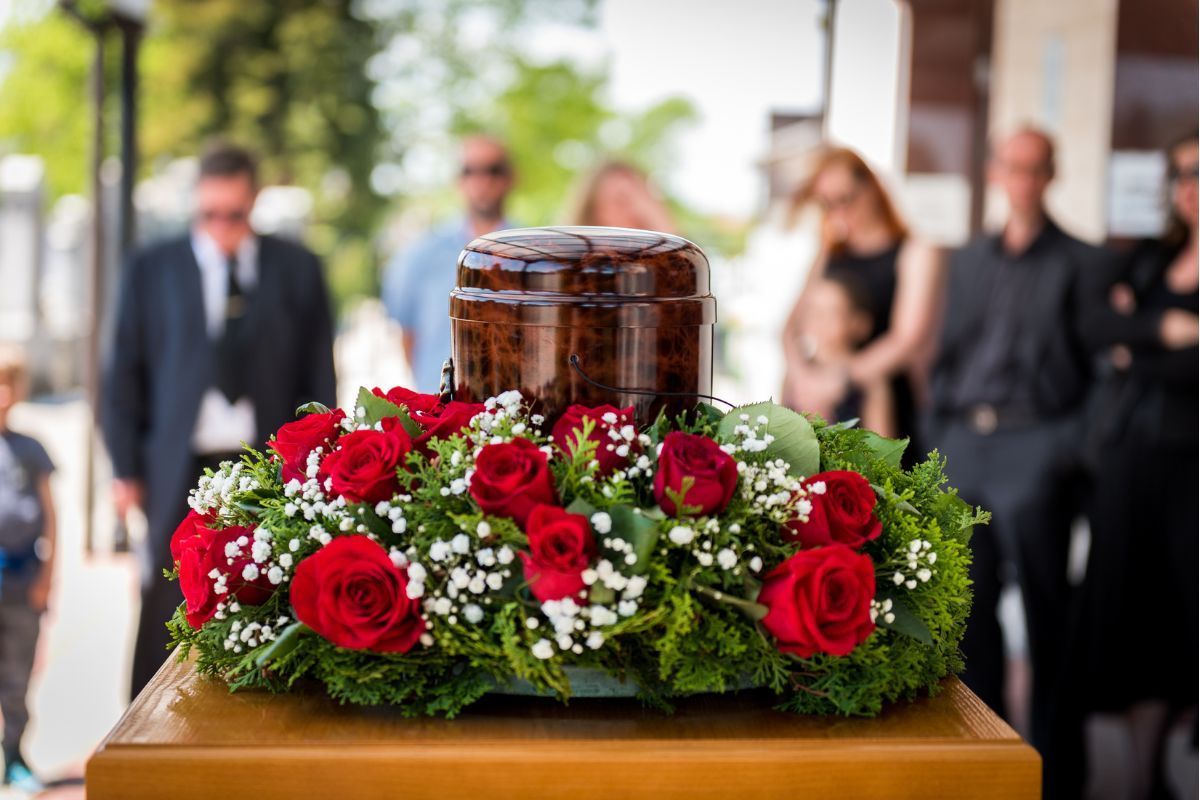
Cremation options work seamlessly with military honors. Veterans who choose our cremation services receive the same honors as those choosing traditional burial, with ceremonies conducted around the urn rather than the casket. Whether cremated remains are interred in national cemetery columbaria, scattered in meaningful locations, or retained by families, the honors ceremony maintains its full dignity and impact.

Understanding the Presidential Memorial Certificate

Beyond ceremonial honors at the funeral itself, veterans receive lasting recognition through the Presidential Memorial Certificate. This engraved paper certificate, signed by the current President of the United States, honors the memory of honorably discharged deceased veterans. Multiple certificates can be requested by different family members, allowing children, grandchildren, and other relatives to each receive this meaningful keepsake.

Requesting these certificates involves submitting documentation of eligibility, though funeral directors can help facilitate this process. Many families frame the certificates and display them alongside other memorabilia honoring the deceased's service, creating lasting reminders of the nation's gratitude.

Planning Honors for Different Types of Services

Military honors adapt to various types of services, from traditional funerals with viewings and formal ceremonies to memorial services held weeks or months after death. Traditional funerals typically feature honors during graveside services, with the flag draping the casket during earlier portions of the service and being folded and presented during committal ceremonies.

Memorial services held after cremation or extended time periods can still include full military honors, often centered around a display featuring the urn, folded flag from an earlier ceremony, photographs of the deceased in uniform, and displayed medals or awards. These services provide flexibility while maintaining the ceremonial significance that honors represent.

For families who wish to hold private services or have already completed committal ceremonies, standalone military honors ceremonies can also be arranged at Tahoma National Cemetery or other appropriate locations. This option provides ceremonial recognition even when integrated with other service elements proves impractical.

Preparing Family Members for the Experience

Military honors ceremonies affect attendees powerfully, particularly the immediate family members receiving the folded flag. Preparing family members for what to expect helps them experience these moments with appropriate reverence rather than being caught off guard by emotional intensity.

Family members should know approximately when honors will occur during the service, who will receive the folded flag, and what protocol expectations apply. During the presentation, the receiving family member should accept the flag with quiet dignity, maintaining composure to whatever degree possible while allowing genuine emotions to show. Tears are entirely appropriate and expected at these moments.

Some families choose to designate specific responses when receiving the flag, such as a quiet salute for veteran family members or holding the flag against their heart. These personal touches, when appropriate, add additional meaning without diminishing the ceremonial protocol.

The Lasting Impact of Proper Honors

Military honors accomplish something profound: they extend a service member's connection to their military community even in death. The uniformed detail, the ceremonial precision, the folded flag, and the mournful notes of Taps all affirm that the deceased belonged to something larger than themselves, and that this larger community acknowledges their sacrifice with fitting formality.

For veterans who found deep meaning in their service, these honors validate that meaning in ways that resonate with everyone present. For families who supported that service through years of deployments, moves, and sacrifices of their own, the honors acknowledge their contributions too. And for younger generations attending such services, military honors demonstrate the ongoing importance of service to something greater than oneself.

Compassionate Guidance Through Every Detail

Coordinating military funeral honors involves navigating documentation requirements, scheduling with military branches, incorporating veterans service organizations, and integrating ceremonial elements with other service components. The experienced team at Scott Funeral Home and Cremation Services has extensive experience guiding military families through every aspect of honors planning, ensuring that veterans receive the recognition they earned while families experience the meaningful tribute their loved ones deserve. From gathering necessary documentation to coordinating detailed ceremonial arrangements, we handle every aspect with the precision and respect that military service demands. Speak with our knowledgeable team today to learn more about arranging military funeral honors that truly honor a lifetime of service and sacrifice.

Recent Posts

By Scott Funeral Home and Cremation Services August 25, 2026
Discover how visitations support the healing process for Tacoma families, offering community presence, meaningful farewells, and essential space for grief.
Understanding Washington State Cremation Laws
By FCM Management July 15, 2026
Washington law establishes a clear order of priority regarding who has the legal authority to make cremation decisions when the deceased has not documented their own wishes.
Personalize a Loved One's Funeral Service
By FCM Management July 15, 2026
For families in Tacoma seeking to create tributes that genuinely reflect their loved ones, personalization offers powerful ways to transform standard services into deeply moving celebrations of life.
grief support
By FCM Management June 25, 2026
The good news is that Tacoma and the broader Pierce County area offer an array of resources designed to help individuals and families work through grief at their own pace, in their own way.
memorial service with cremation
By FCM Management June 25, 2026
For families in Tacoma seeking a balance between modern preferences and time-honored remembrance, this option offers the freedom to design a tribute that reflects their loved one's personality without being constrained by rigid traditional timelines.

Traditional Funeral
By FCM Management May 29, 2026
Traditional funerals typically include a visitation, sometimes called a viewing or wake, held either the evening before the funeral service or in the hours immediately preceding it.

advance planning options
By FCM Management May 29, 2026
Exploring advance planning options with a knowledgeable professional helps you understand exactly how price protection works and which payment structures fit your circumstances best.

Veterans Funeral Services
By FCM Management May 14, 2026
For veterans and their families in Tacoma and Pierce County, a range of funeral benefits is available through the Department of Veterans Affairs and the Department of Defense.
Memorial services
By FCM Management May 14, 2026
Memorial services serve a vital purpose in the grieving process, but healing continues long after the day ends. Families benefit from knowing that support is available in the weeks and months that follow.
By FCM Management May 1, 2026
How to Cherish Your Loved One's Final Days—and Honor Them for a Lifetime When someone you love is nearing the end of their life, grief doesn't wait for them to be gone. The sorrow that comes while your loved one is still here (the ache of watching them change, the dread of what's coming) is a distinct emotional experience, and research shows it directly affects how you function long after the loss . Knowing how to navigate these weeks and months isn't just about surviving them. What You're Feeling Has a Name The grief that arrives before death is sometimes called anticipatory grief, but researchers now recognize it as two separate experiences happening at once: - Anticipatory grief — future-focused, centered on feared losses after death ("What will life look like without them?") - Illness-related grief — present-focused, tied to losses happening right now (changes in your loved one's abilities, personality, or your relationship with them) You may feel both simultaneously. Both are valid. What researchers do know is that how you move through this period shapes your wellbeing long after your loved one has gone. How to Be Present When It Matters Most The final weeks of life unfold in recognizable phases : from appetite loss and fatigue about a month out, to the onset of confusion in the final weeks, to the quiet of the last days. Each phase calls for a different kind of presence from you. What dying people most want is straightforward: freedom from pain, sincerity from those they love, and to feel seen as a person rather than a patient. You don't need to resolve every old tension or find the perfect words. What you can offer is to keep showing up. Some things worth saying now: - "I'm so grateful for the time we've had." - "You don't have to worry about me." - "I love you, and I'll carry you with me." - "Is there anything you want me to know?" A qualitative study of at-home caregivers found that many suppressed their own grief because they felt guilty: "How can I complain when he's the one dying?" If this sounds familiar, give yourself permission to grieve openly. Telling your loved one how much you'll miss them is a gift to them, not a burden. Some days none of this will be possible. They'll be too tired to talk, or confused, or not themselves. The relationship may be complicated, with anger or old hurt mixed in with the love. On those days, being present can mean doing nothing but sitting nearby with the TV on. That counts too. Building a Living Legacy Together One of the most meaningful things you can do during this time is work together on a legacy project, something that captures who your loved one is and passes it forward to the people who come after. Research on legacy work in end-of-life care consistently shows that when families engage in this kind of intentional memory-making, they have an easier time with grief after the death. The legacy document becomes something to hold onto. It can be as small as one recorded conversation. Common formats that work well: - Voice and video recordings — Ask your loved one to record stories: how they met your parent, what their childhood neighborhood looked like, what they wish they'd known at 25 - Legacy letters — A legacy letter passes on values, memories, and wisdom rather than possessions. Your loved one can write it, dictate it, or record it. There are no rules for format - Life review sessions — Structured storytelling about meaningful experiences is a core practice in hospice care, linked to improved dignity and emotional well-being for patients and families alike - Handmade keepsakes — A quilt, painted tiles, a handprint. Something physical to hold when words aren't enough A Five-Step Legacy Project You Can Start This Week If you're not sure where to begin, this framework works whether your loved one is at home, in a care facility, or in hospice. Ask one open question per visit. Don't pressure. Just prompt. Try: "What's a memory you're proud of?" or "What do you want people to know about you?" Record the answer on your phone, or write it down. One question is enough. Gather the photographs. Pull together physical or digital photos spanning their life. Sit together and let them tell you who's in each picture. The stories behind the photos are the real legacy. Create the document. Compile their words (from recordings, letters, or your notes) into a single document. This becomes the family record. It doesn't need to be polished; it just needs to exist. Design a tribute display. The photos and stories can become a printed booklet, a tribute table, or a poster display for the celebration of life. A poster works well when you want one visible piece for guests to gather around, and a comparison of custom print posters can help you find a format that fits the photos and words you've already collected. Plan how to share it. Decide now how this legacy material will be distributed: printed booklets for close family, a shared folder online, a framed display in the home. Honoring Them After They're Gone The work of honoring someone doesn't end at the funeral. Dignity therapy, a structured end-of-life interview process that produces a written legacy document, has been shown in multiple clinical trials to reduce anxiety in terminally ill patients and ease grief for surviving family members. The core practice is simple: sit with someone, ask them what their life has meant, and write it down. Any family can do this. After the death, there are ways to keep the connection alive: - Annual remembrance rituals — A meal on their birthday with their favorite dishes, a walk in a place they loved, a gathering where family reads their legacy letters aloud. Grief communities like Modern Loss publish personal essays from families who've worked out their own versions of these traditions, which can help when you don't know where to start - Living tributes — A donated bench, a named memorial garden, a scholarship fund - Growing the tribute — A memorial display doesn't have to stay frozen at the service. Some families reprint and update theirs as years pass and new family members arrive; tools like Adobe Express can make it easier to swap in new photos and stories without starting over. Learn more about how it works Common Questions What if my loved one doesn't want to talk about death? Follow their lead. Legacy conversations don't have to be explicitly about dying. Asking "What are your favorite memories of our family?" is a legacy conversation. So is "Teach me how to make your recipe." Meet them where they are. What if I'm too overwhelmed to do any of this? Start with one small thing: record one conversation, take one photo, write down one story. Hospice social workers, grief counselors, and pastoral care teams specialize in exactly this moment. You don't have to navigate it alone. What if our relationship was complicated? Legacy work doesn't require you to feel only love. You can record stories and gather photos with someone you have unresolved history with. The result isn't a verdict on the relationship; it's a record that the person existed and that you showed up. Resentment, guilt, and numbness aren't failures of grief. They're part of the actual texture of it. What if they die before the project is finished? That's common. A few recorded minutes, a handful of photos with names written on the back, one letter you started together: each is its own complete piece, even if the larger project never gets stitched together. Pick the work back up later, alone or with other family members, using whatever you have. When should we start? Now. Caregivers consistently say they wish they'd had more time for this work. If your loved one is living with a terminal illness, there is no such thing as starting too early. The stories and conversations you capture this week are ones you will return to for the rest of your life.
Show More