What Is Included in a Traditional Funeral Service?

Despite the rise of cremation and alternative memorial options, traditional funeral services continue to hold deep meaning for families across Tacoma and Pierce County.

Traditional Funeral Service

There is something profoundly human about gathering in a sacred space, sharing in established rituals, and saying goodbye through ceremonies that connect us to generations who grieved before us. For many families, the structure and familiarity of a traditional funeral provide essential support during one of life's most disorienting experiences. Understanding what these services typically include helps families make informed choices that honor their loved ones in ways that feel right for them.


The Arrangement Meeting

Every traditional funeral begins with an arrangement conference at the funeral home, usually held within a day or two of the death. During this meeting, a funeral director sits down with family members to gather essential information, discuss preferences, and begin coordinating the many details that lie ahead. Conversations cover practical matters like biographical information for the death certificate, obituary content, service timing, and venue selection, along with more personal discussions about religious considerations, music preferences, and meaningful elements to incorporate.


This meeting serves as the foundation for everything that follows. A thoughtful funeral director uses this time to listen carefully, explain available options without pressure, and gently guide families toward decisions that feel right. Expect this conversation to last one to two hours, with follow-up communication occurring throughout the planning process as additional details are finalized.


Professional Care and Preparation

One of the most important elements of traditional services is the professional care provided to the deceased. This care begins with transportation from the place of death, whether a home, hospital, hospice facility, or nursing home, to the funeral home. From there, the deceased receives attentive preparation that may include embalming, dressing in clothing chosen by the family, cosmetic application, hair styling, and gentle positioning for viewing.


Embalming, while not universally required, is commonly included in traditional services to allow for viewings that may occur a few days after death. This preservation process slows natural changes and creates the peaceful appearance that families typically expect during visitation. Our comprehensive funeral services include this professional care performed by experienced staff who treat every individual with the dignity and respect they deserve at every stage of preparation.


Visitation or Viewing Period

Traditional funerals typically include a visitation, sometimes called a viewing or wake, held either the evening before the funeral service or in the hours immediately preceding it. This gathering creates space for family, friends, neighbors, coworkers, and acquaintances to pay their respects, offer condolences, and view the deceased one final time.


Visitation periods commonly last two to four hours, though some families opt for extended visitations spanning longer windows to accommodate larger circles of mourners. The casket may be open or closed based on family preference, and many families create personal touches like photo displays, memorial collages, video tributes, and tables featuring meaningful objects from their loved one's life. Light refreshments are sometimes provided, particularly for visitations that span dinner hours.


The Funeral Ceremony

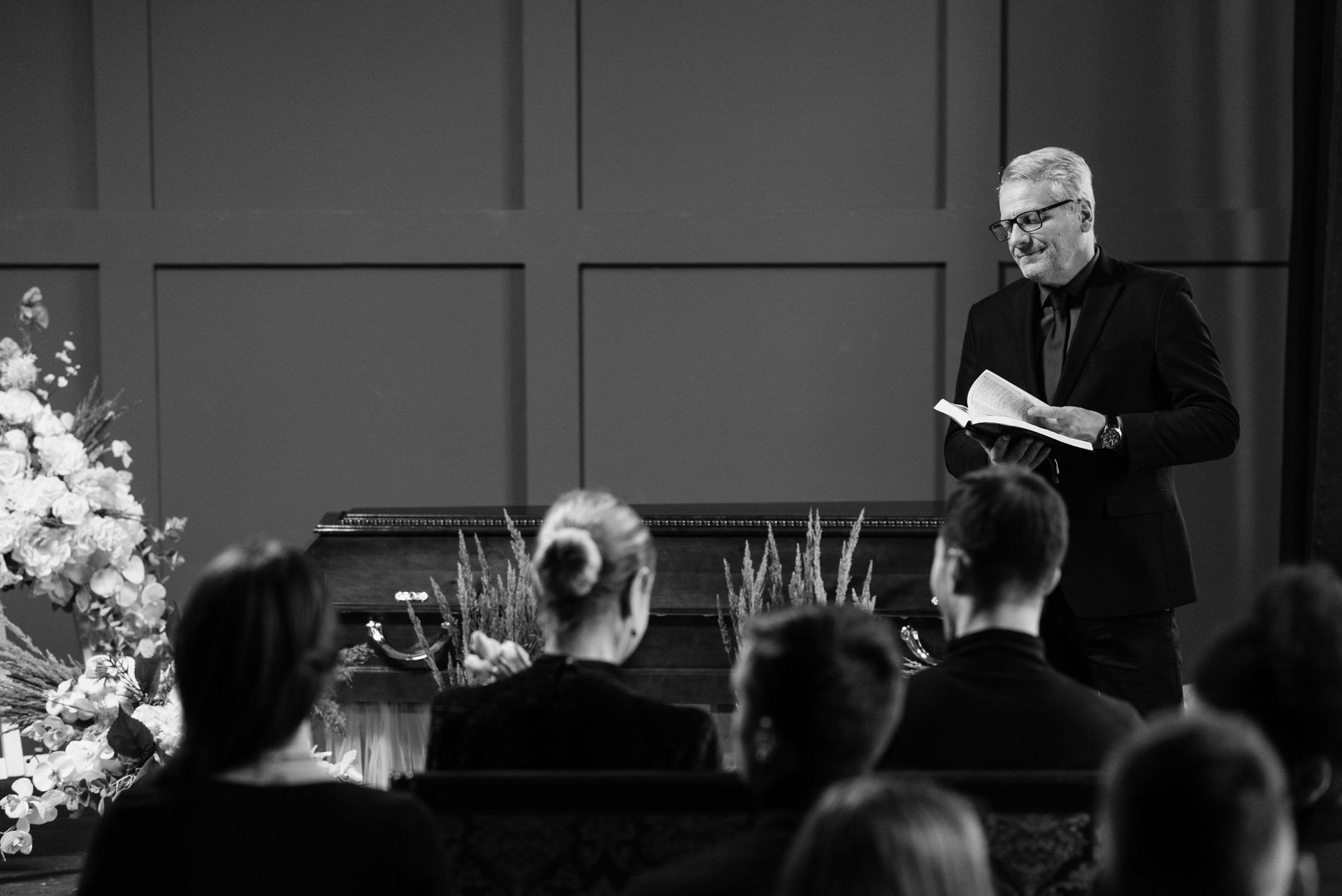
The funeral service itself represents the formal ceremonial heart of the traditional experience. Held in a funeral home chapel, religious institution, or other meaningful venue, the service typically lasts between thirty minutes and one hour. While specific elements vary based on religious traditions, cultural backgrounds, and family preferences, certain components appear consistently across most traditional services.


A welcome and opening remarks delivered by the officiant or funeral director set the tone for the gathering. Religious readings, prayers, or scripture passages reflect the family's faith tradition. Musical selections, whether hymns, classical pieces, contemporary songs, or recorded recordings, provide emotional anchors throughout the service. A eulogy delivered by a family member, close friend, or clergy member recounts the life and legacy of the deceased. Additional readings, poems, or shared remembrances from those who wish to participate add personal dimensions. A closing blessing, benediction, or final words prepare attendees for what comes next.


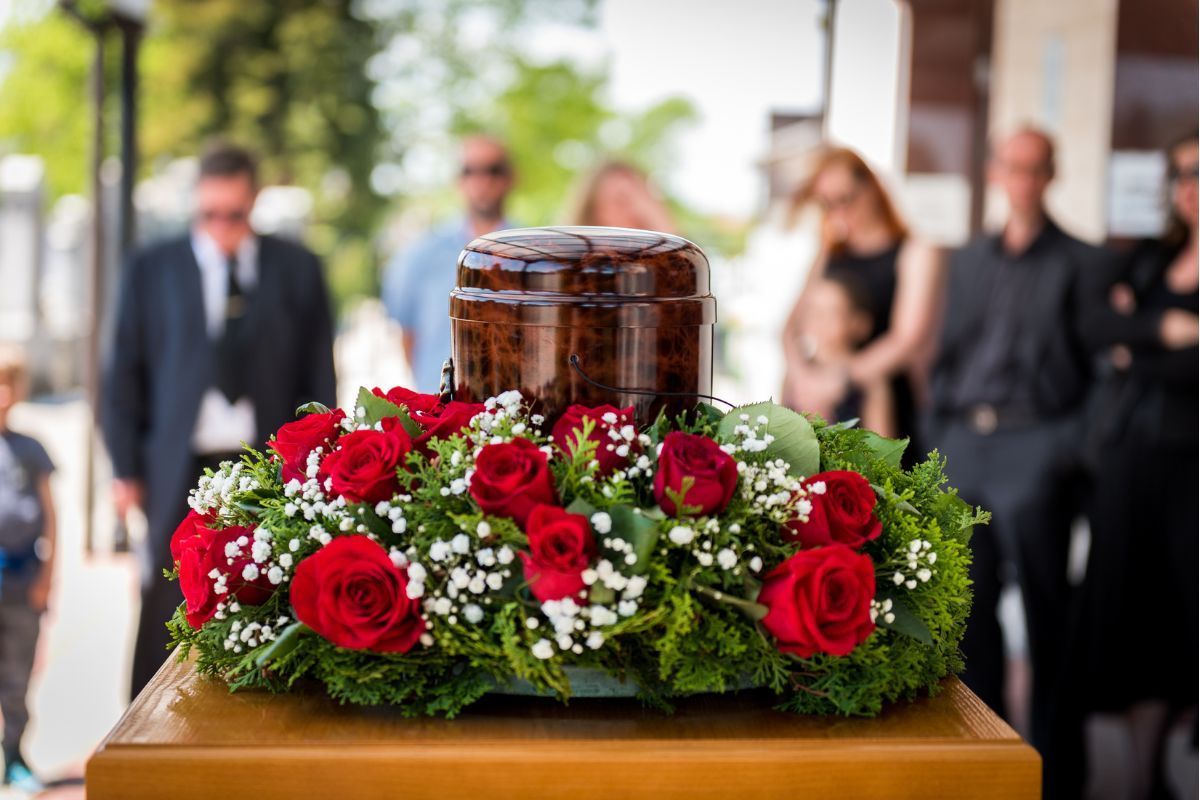
The casket typically remains present during the service, often adorned with a spray of flowers, a meaningful covering, or symbols representing the deceased's faith or interests. Pallbearers, traditionally six in number and usually drawn from close family members or friends, accompany the casket during procession and recession.


Personal Touches That Make It Meaningful

While traditional funerals follow established frameworks, the most memorable services incorporate elements that capture the deceased's unique personality and life experiences. Photo displays spanning different chapters of life, memory tables featuring objects from beloved hobbies, music that meant something special, readings chosen by family members, and creative tributes like memory boards or guest books all add personal dimensions to traditional structures.


Working with our personalization specialists opens creative possibilities that elevate standard services into truly individualized tributes. From custom video presentations and themed displays to unique music selections and meaningful symbolic gestures, personalization transforms what could feel generic into something that genuinely honors a specific life.


The Procession and Committal Service

Following the funeral service, a procession traditionally travels from the service location to the cemetery. With vehicles displaying funeral flags and headlights illuminated, this solemn journey allows mourners to accompany the deceased to their final resting place as a unified community. In Tacoma, processions typically coordinate with traffic patterns to ensure smooth passage through the city.


At the cemetery, the committal service or graveside service takes place. This brief ceremony, usually lasting fifteen to twenty minutes, includes additional prayers, readings, the lowering of the casket, and final farewells from the family. The committal provides important emotional closure, marking the moment of physical separation while affirming the love and memories that continue beyond the grave.


Memorial Products and Lasting Tributes

Traditional funerals involve the selection of various memorial products that serve both immediate ceremonial purposes and lasting commemorative functions. The casket represents the most significant selection, with options ranging from simple wood constructions to elaborate metal designs featuring detailed craftsmanship. Burial vaults or grave liners protect the casket and maintain cemetery ground integrity.


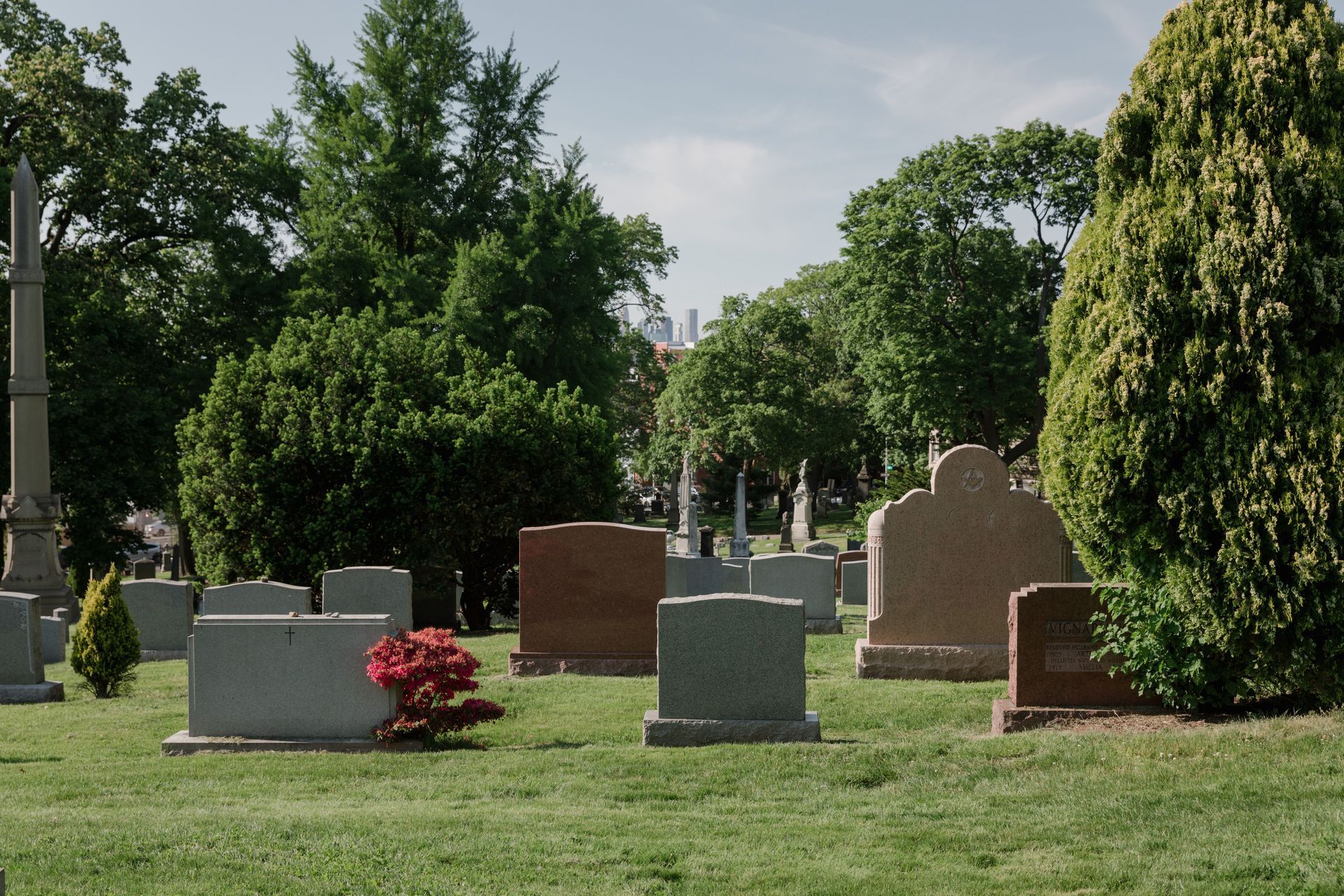
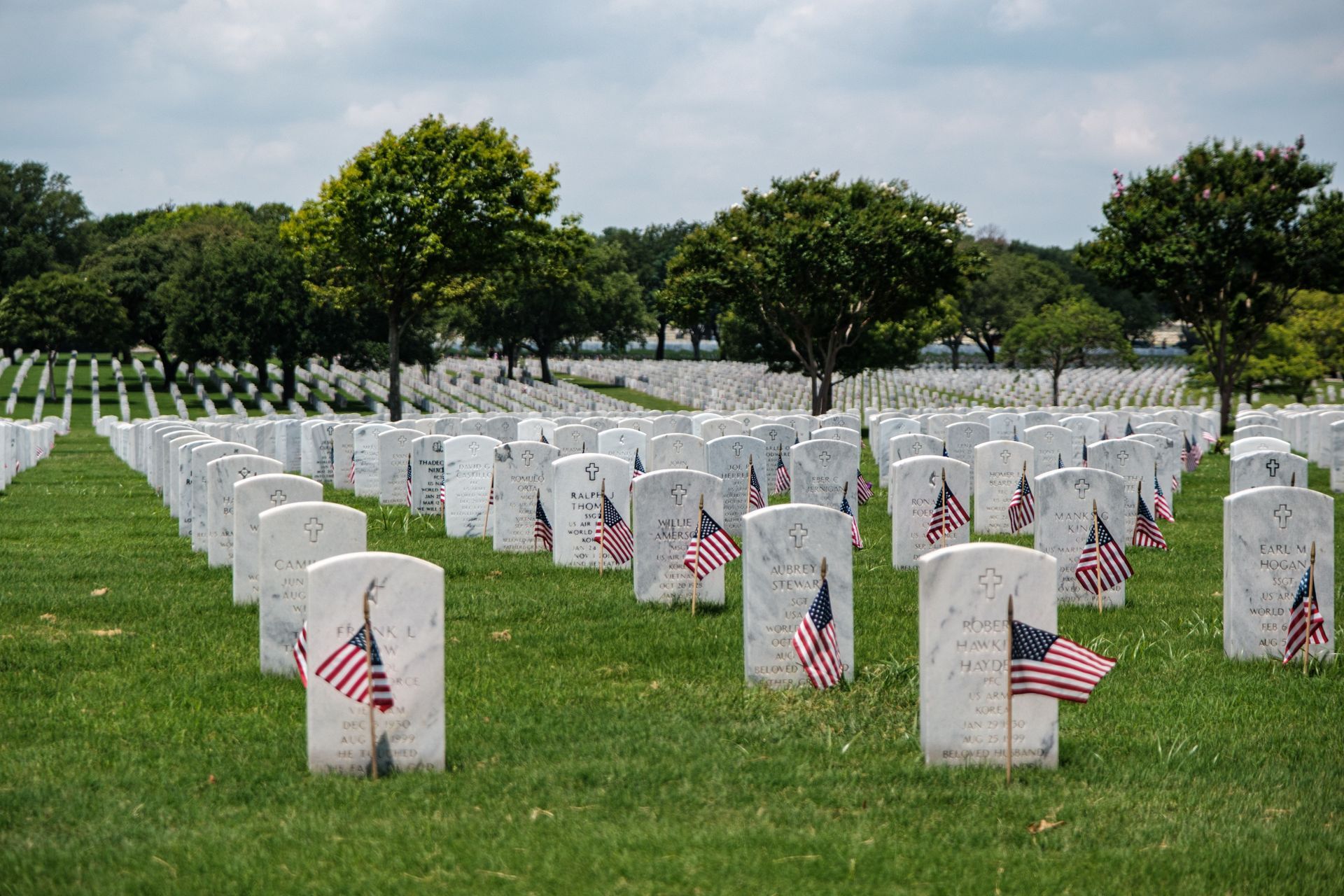
Headstones or grave markers provide permanent memorialization at the burial site, inscribed with names, dates, and often meaningful epitaphs, religious symbols, or imagery reflecting the deceased's interests. Smaller commemorative items typically include memorial cards distributed at services, register books for guests to sign, prayer cards, and acknowledgment cards that families use to thank those who offered support during their loss.


Knowing What to Do First

When death occurs, families often feel uncertain about immediate next steps. Should they call the funeral home, the doctor, family members, or someone else first? Understanding the proper sequence reduces panic during those first overwhelming hours. Our practical guide for when death occurs walks families through exactly what to do, providing clarity when emotions feel paralyzing. Having this information available before it is needed represents another form of preparation that complements traditional planning.


Behind-the-Scenes Coordination

Behind every traditional funeral lies extensive coordination that families rarely see. Funeral directors work with cemeteries to schedule burials, with religious institutions to arrange service times, with florists to coordinate arrangements, with newspapers to publish obituaries, with caterers when receptions are involved, with vital records offices to file death certificates, and with countless other parties whose contributions make the day flow smoothly.


This coordination work, invisible to most attendees, represents one of the most valuable services traditional funerals provide. A skilled funeral director manages dozens of moving pieces simultaneously, ensuring everything happens on schedule while families focus on grief, support, and remembrance rather than logistics.


Why Tradition Endures

Some have questioned whether traditional funerals remain relevant in a rapidly changing world, but their continued popularity speaks to genuine value that other formats cannot fully replicate. Traditional funerals provide structured opportunities for grief expression, community support, and ritual closure that many people find essential to their healing process. The familiarity of established elements offers comfort precisely because they have been used by countless families across generations, connecting today's mourners to a long lineage of shared human experience.


Religious traditions, cultural heritage, and family customs all find natural homes within traditional funeral frameworks. For families who value these connections, traditional services offer meaningful continuity with those who came before and demonstrate to younger generations how a community supports its members during loss.


Compassionate Guidance Through Every Detail

Planning a traditional funeral involves many decisions, each carrying both practical and emotional weight. The experienced team at Scott Funeral Home and Cremation Services has guided Tacoma families through traditional funerals for years, providing the kind of personal attention and professional expertise that transforms difficult days into meaningful tributes. From the smallest practical arrangement to the most significant ceremonial moment, every detail receives our careful attention. Speak with our compassionate staff today to learn more about traditional funeral services and how we can help you honor your loved one with the dignity, respect, and personal care they deserve.

Recent Posts

advance planning options
By FCM Management May 29, 2026
Exploring advance planning options with a knowledgeable professional helps you understand exactly how price protection works and which payment structures fit your circumstances best.
Veterans Funeral Services
By FCM Management May 14, 2026
For veterans and their families in Tacoma and Pierce County, a range of funeral benefits is available through the Department of Veterans Affairs and the Department of Defense.
Memorial services
By FCM Management May 14, 2026
Memorial services serve a vital purpose in the grieving process, but healing continues long after the day ends. Families benefit from knowing that support is available in the weeks and months that follow.
By FCM Management May 1, 2026
How to Cherish Your Loved One's Final Days—and Honor Them for a Lifetime When someone you love is nearing the end of their life, grief doesn't wait for them to be gone. The sorrow that comes while your loved one is still here (the ache of watching them change, the dread of what's coming) is a distinct emotional experience, and research shows it directly affects how you function long after the loss . Knowing how to navigate these weeks and months isn't just about surviving them. What You're Feeling Has a Name The grief that arrives before death is sometimes called anticipatory grief, but researchers now recognize it as two separate experiences happening at once: - Anticipatory grief — future-focused, centered on feared losses after death ("What will life look like without them?") - Illness-related grief — present-focused, tied to losses happening right now (changes in your loved one's abilities, personality, or your relationship with them) You may feel both simultaneously. Both are valid. What researchers do know is that how you move through this period shapes your wellbeing long after your loved one has gone. How to Be Present When It Matters Most The final weeks of life unfold in recognizable phases : from appetite loss and fatigue about a month out, to the onset of confusion in the final weeks, to the quiet of the last days. Each phase calls for a different kind of presence from you. What dying people most want is straightforward: freedom from pain, sincerity from those they love, and to feel seen as a person rather than a patient. You don't need to resolve every old tension or find the perfect words. What you can offer is to keep showing up. Some things worth saying now: - "I'm so grateful for the time we've had." - "You don't have to worry about me." - "I love you, and I'll carry you with me." - "Is there anything you want me to know?" A qualitative study of at-home caregivers found that many suppressed their own grief because they felt guilty: "How can I complain when he's the one dying?" If this sounds familiar, give yourself permission to grieve openly. Telling your loved one how much you'll miss them is a gift to them, not a burden. Some days none of this will be possible. They'll be too tired to talk, or confused, or not themselves. The relationship may be complicated, with anger or old hurt mixed in with the love. On those days, being present can mean doing nothing but sitting nearby with the TV on. That counts too. Building a Living Legacy Together One of the most meaningful things you can do during this time is work together on a legacy project, something that captures who your loved one is and passes it forward to the people who come after. Research on legacy work in end-of-life care consistently shows that when families engage in this kind of intentional memory-making, they have an easier time with grief after the death. The legacy document becomes something to hold onto. It can be as small as one recorded conversation. Common formats that work well: - Voice and video recordings — Ask your loved one to record stories: how they met your parent, what their childhood neighborhood looked like, what they wish they'd known at 25 - Legacy letters — A legacy letter passes on values, memories, and wisdom rather than possessions. Your loved one can write it, dictate it, or record it. There are no rules for format - Life review sessions — Structured storytelling about meaningful experiences is a core practice in hospice care, linked to improved dignity and emotional well-being for patients and families alike - Handmade keepsakes — A quilt, painted tiles, a handprint. Something physical to hold when words aren't enough A Five-Step Legacy Project You Can Start This Week If you're not sure where to begin, this framework works whether your loved one is at home, in a care facility, or in hospice. Ask one open question per visit. Don't pressure. Just prompt. Try: "What's a memory you're proud of?" or "What do you want people to know about you?" Record the answer on your phone, or write it down. One question is enough. Gather the photographs. Pull together physical or digital photos spanning their life. Sit together and let them tell you who's in each picture. The stories behind the photos are the real legacy. Create the document. Compile their words (from recordings, letters, or your notes) into a single document. This becomes the family record. It doesn't need to be polished; it just needs to exist. Design a tribute display. The photos and stories can become a printed booklet, a tribute table, or a poster display for the celebration of life. A poster works well when you want one visible piece for guests to gather around, and a comparison of custom print posters can help you find a format that fits the photos and words you've already collected. Plan how to share it. Decide now how this legacy material will be distributed: printed booklets for close family, a shared folder online, a framed display in the home. Honoring Them After They're Gone The work of honoring someone doesn't end at the funeral. Dignity therapy, a structured end-of-life interview process that produces a written legacy document, has been shown in multiple clinical trials to reduce anxiety in terminally ill patients and ease grief for surviving family members. The core practice is simple: sit with someone, ask them what their life has meant, and write it down. Any family can do this. After the death, there are ways to keep the connection alive: - Annual remembrance rituals — A meal on their birthday with their favorite dishes, a walk in a place they loved, a gathering where family reads their legacy letters aloud. Grief communities like Modern Loss publish personal essays from families who've worked out their own versions of these traditions, which can help when you don't know where to start - Living tributes — A donated bench, a named memorial garden, a scholarship fund - Growing the tribute — A memorial display doesn't have to stay frozen at the service. Some families reprint and update theirs as years pass and new family members arrive; tools like Adobe Express can make it easier to swap in new photos and stories without starting over. Learn more about how it works Common Questions What if my loved one doesn't want to talk about death? Follow their lead. Legacy conversations don't have to be explicitly about dying. Asking "What are your favorite memories of our family?" is a legacy conversation. So is "Teach me how to make your recipe." Meet them where they are. What if I'm too overwhelmed to do any of this? Start with one small thing: record one conversation, take one photo, write down one story. Hospice social workers, grief counselors, and pastoral care teams specialize in exactly this moment. You don't have to navigate it alone. What if our relationship was complicated? Legacy work doesn't require you to feel only love. You can record stories and gather photos with someone you have unresolved history with. The result isn't a verdict on the relationship; it's a record that the person existed and that you showed up. Resentment, guilt, and numbness aren't failures of grief. They're part of the actual texture of it. What if they die before the project is finished? That's common. A few recorded minutes, a handful of photos with names written on the back, one letter you started together: each is its own complete piece, even if the larger project never gets stitched together. Pick the work back up later, alone or with other family members, using whatever you have. When should we start? Now. Caregivers consistently say they wish they'd had more time for this work. If your loved one is living with a terminal illness, there is no such thing as starting too early. The stories and conversations you capture this week are ones you will return to for the rest of your life.
Immediate Death Services
By FCM Management April 1, 2026
At Scott Funeral Home and Cremation Services, the legacy of compassion established by L’Ray Scott continues to shape the way families are cared for today.
Funeral vs. Cremation
By FCM Management April 1, 2026
During times of loss, having compassionate support can make all the difference. Scott Funeral Home and Cremation Services has been serving the Tacoma community since 1967.
By Camille Johnson March 19, 2026
Finding Balance After Loss: How Widows and Widowers Rebuild Life
By Camille Johnson February 20, 2026
Seniors Can Buy a Home For Aging In Place Using This Essential Guide
By Camille Johnson February 6, 2026
How to Manage Life’s Major Changes with Compassion and Confidence For families in Tacoma and the surrounding communities, major life transitions bring challenges that reach far beyond logistics. Whether it’s managing the grief and uncertainty after a loss, adjusting to a new career path, or helping children through difficult changes, these moments can make home life feel unsteady and raw. The emotional weight of change often leaves loved ones stretched between practical demands and deep feelings. Recognizing these struggles is the first step, opening the door to greater understanding and a more compassionate way to move forward. Understanding How Change Shapes Our Minds and Hearts Life transitions can bring intense emotions and uncertainty, making each day feel like unfamiliar territory. Significant changes, such as loss or new beginnings, can cause mild to moderate psychological distress as people adapt to new realities. Building a resilient mindset and learning healthy coping techniques help individuals manage these emotions and steady themselves during turbulent times, a lesson highlighted by the fact that the pandemic produced mild to moderate levels of psychological distress for many. Recognizing the emotional impact of change is essential because it gives families space to process their feelings and supports healing. This understanding enables loved ones to respond with compassion, improving communication, and strengthening bonds when life feels unpredictable. Small shifts in mindset and support routines can help families cope more successfully with change. Imagine a family helping a child adjust after returning from a stressful event. By talking openly about their worries and practicing calming routines, the family creates an environment that feels safer and more manageable for everyone. With these basics in mind, effective strategies can shape your approach to both practical and emotional shifts ahead. Step-by-Step Guide for Navigating Major Life Changes Major changes (loss, a move, a career shift, a health scare, a new business) can feel overwhelming because they affect your emotions and your routines at the same time. This simple process helps families steady the ground first,then take practical steps without rushing past what everyone is feeling. Start with a real conversation (not a “fix-it” meeting) Pick a low-pressure moment and ask two gentle questions: “What feels hardest right now?” and “What would help this week feel a little steadier?” When grief is involved, even low-barrier support can reduce distress for some people,research on online bereavement support suggests these interventions can have meaningful effects, especially when people feel isolated. Protect the basics for the next 7 days When life changes, stability often comes from boring, repeatable essentials: sleep, meals, school/work rhythms, movement, and a predictable “start and end” to the day. The APA’s guidance on using social support to manage stress is a helpful reminder that you don’t have to carry hard seasons alone,your routines and your people both matter. Make a support list that’s actually usable Instead of “we should get help,” write down names and numbers: one friend/family member you can call, one local professional option, and one community directory you can search. In Washington, WA 211 is built for this,housing, food support, counseling, grief groups, and more,so you’re not reinventing the wheel when you’re already tired. Choose one “next right step” and finish it within 48 hours Momentum beats motivation during transitions. Pick one action that reduces pressure fast: schedule an appointment, gather paperwork, ask someone to watch the kids for an hour, or set up a simple weekly plan. Small completed steps restore a sense of control. If the change includes work or income, build skills in the smallest way possible Career changes can feel scary because the path forward isn’t obvious. If you’re in Washington and retraining is part of your next chapter, WorkSource lays out training and support programs that can help you explore options without guessing. If the change includes starting a business, keep the admin side simple New ventures are stressful enough,separating “building the thing” from “paperwork.” If you want a guided way to handle LLC formation and compliance tasks while you focus on your family and the work itself, ZenBusiness can serve as a practical helper,without becoming the center of your plan. These steps won’t remove the hard parts of change, but they do lower the noise. And when the noise drops, compassion and confidence get a lot easier to access. Compassionate Change Management: Your Essential Checklist To keep momentum going during uncertainty: During major transitions, having an easy-to-follow list makes compassionate action and organization possible, even when emotions run high. Prioritizing clear tasks can help families manage both the urgent needs and the deeper feelings that come with significant change. ✔ Begin a gentle conversation to name feelings and needs ✔ Safeguard daily routines for comfort and stability ✔ Confirm support contacts and emergency resources you can access ✔ Review any legal or financial paperwork that may need updating ✔ Keep a copy of your funeral plans on file and notify trusted contacts, as advised by funeral planning checklists ✔ Take one action toward a needed service or appointment this week ✔ Organize health or medication information in a secure, accessible spot Simple steps, taken one at a time, can steady the ground beneath your family during any transition. Your Questions on Loss, Services, and Support Answered Here are answers to the questions families most often ask in times of loss. Q: What can help our family begin to process grief right now? A: Simple acts like talking, journaling, drawing, or even role-playing feelings can provide comfort when everything feels unsettled. Many children find it easier to express grief in creative ways, as suggested by resources on how to talk and act out feelings . Q: How do we choose between burial and cremation services? A: Both options can honor your loved one's wishes. Cremation is becoming more common, with the U.S. cremation rate projected to reach 63.4% in 2025 , but your provider can walk you through options that fit your values and cultural needs. Q: What paperwork is needed for veteran funeral benefits? A: Accessing burial benefits requires the veteran’s DD Form 214 or a similar document, which proves honorable service. Keeping this form accessible ensures you can quickly claim any eligible benefits, as explained in veteran burial benefits checklists . Q: How can we support children as they grieve? A: Validate their feelings, maintain familiar routines, and look for age-appropriate grief programs. Many families and educators agree that offering grief education at schools is important for children’s wellbeing . Each question you ask and step you take moves your family toward greater strength and healing. Finding Strength and Community Support During Life’s Big Changes Even with strong family ties and community traditions, major life changes can still feel overwhelming and isolating. Compassion for yourself and a willingness to reach out are the foundation for healthy adaptation, as discussed throughout this guide. Discovering resilience and nurturing hope allows people to heal emotionally and slowly rediscover a sense of stability. When you let others in, support and strength follow. If today feels difficult, take one small step: talk to someone who cares, or visit a local resource for support. These connections are what help neighbors in Tacoma and beyond not just survive, but truly grow through every season of change.
September 15, 2025
The ABCs of Funeral Planning: A Calm, Practical Guide
Show More