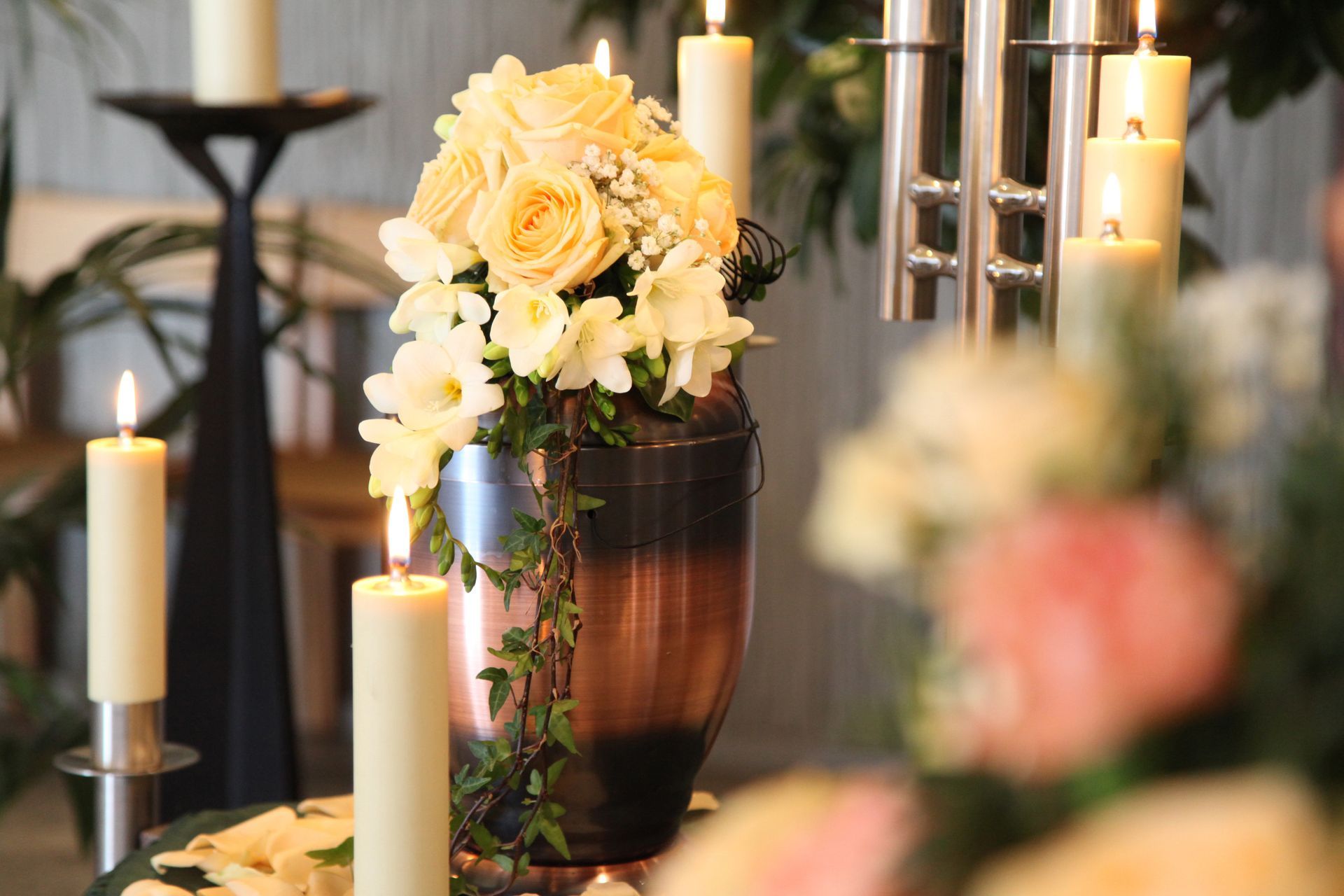
Cremation is a respectful, regulated process in which heat reduces the body to bone fragments, which are then processed into fine, sand-like remains and returned to the family. In Washington, cremation must be authorized in writing by the person with the legal right to control disposition, and it cannot take place until the required state permit has been issued.
If you're reading this because you're trying to decide between cremation and burial, or because cremation has already been chosen and you simply want to understand what happens next, it's normal to have questions.
This article walks through the process step by step, in plain language, so you know exactly what to expect. Scott Funeral Home has been guiding Tacoma families through these decisions since 1967, and we're glad to answer anything this page doesn't cover.
Understanding Cremation: What the Process Actually Involves
Cremation uses intense, controlled heat to reduce the body to bone fragments over a period of a few hours. Those fragments are then processed into fine, consistent remains, often called cremated remains or cremains. The process is performed one person at a time.
Scott Funeral Home coordinates every step of cremation services in Tacoma
on your behalf, working with a licensed crematory so your family never has to manage the logistics alone.
Bringing Your Loved One Into Our Care
Once your loved one is brought into our care, we handle the required state paperwork, including the death certificate and the burial-transit permit that must be obtained before cremation can proceed. We also collect the written cremation authorization from the person with the legal right to control disposition.
In our experience, this is often the part families worry about most, simply because it's unfamiliar. We walk you through each form in plain terms so nothing feels rushed or confusing.
The Identification and Care Standards We Follow
Every person in our care is assigned an individual identification tag that stays with them at every stage of the process, from the time they arrive until the cremated remains are returned to your family. This identification method is standard practice throughout the funeral profession.
Your loved one remains in refrigerated care until the cremation itself takes place, which satisfies Washington's requirement that remains be either embalmed or refrigerated. Nothing proceeds until every required document and authorization is confirmed and on file.
The Cremation Process, Step by Step
Once all paperwork and authorizations are complete, the process generally follows these steps:
- Final identification is confirmed and documented
- Any items such as jewelry are removed, unless the family has requested otherwise
- The cremation itself takes place in an individual chamber
- The remains cool before being carefully processed into a consistent, fine texture
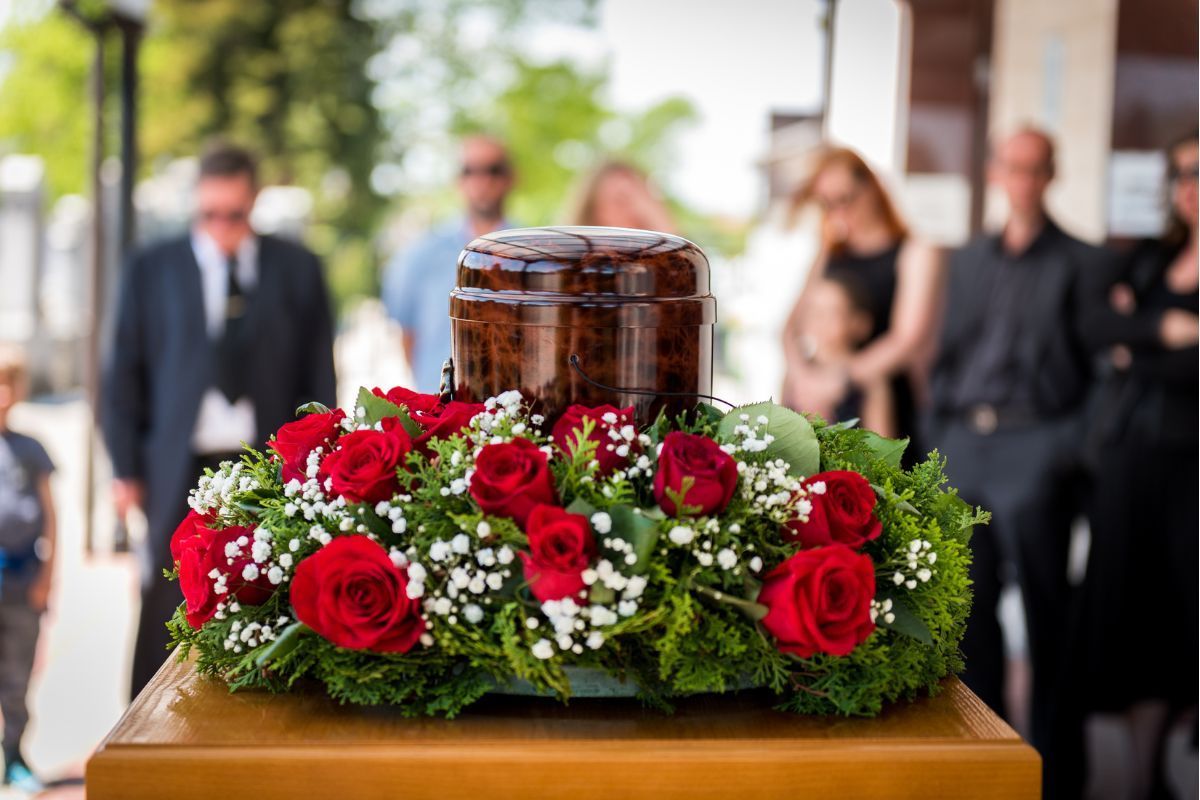
- The remains are placed in a temporary container or a chosen urn
- The remains are returned to your family, along with completed paperwork
Families sometimes ask about what shapes cremation costs
at this stage. We're glad to talk through the factors involved over the phone.
Is Embalming Required Before Cremation in Washington?
No. Washington law does not require embalming before cremation, regardless of whether a service is planned. Funeral homes are required to inform families of this directly, and we will never embalm without your written permission first.
Refrigeration meets the state's holding requirement on its own. If you'd like to read more about the specific rules involved, our page on Washington's cremation laws
covers the permits and authorizations in more detail.
Can You Still Have a Viewing Before Cremation?
Yes. Choosing cremation doesn't mean giving up the chance to see your loved one beforehand. Many families schedule a private viewing or a more formal visitation before the cremation takes place.
If a viewing is important to you, let us know early, since it may affect the timing and whether embalming makes sense. There's no wrong answer here, only the one that feels right for your family.
What Is Returned to Your Family
After the process is complete, you'll receive all of the cremated remains, typically in a temporary container unless an urn has already been selected. Nothing is separated or withheld without your knowledge or consent.
Many families take time afterward to think about a permanent home for their loved one's remains. Our guide to choosing a cremation urn can help if you're not sure where to start, whether that means an urn for the home, a columbarium niche, or something more personal like keepsake jewelry.
Choosing Cremation With a Memorial or Graveside Service
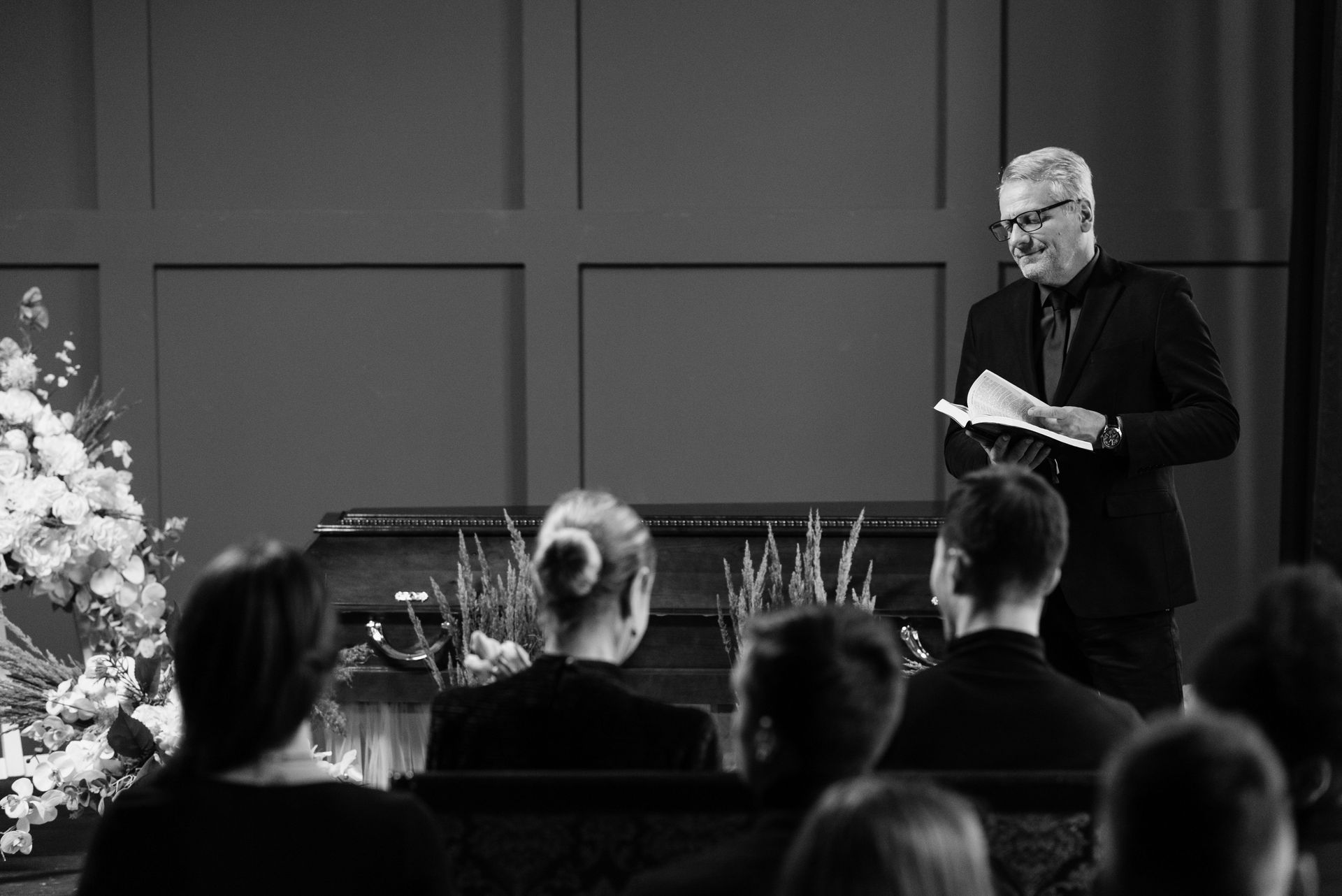
Cremation is a method of disposition, not a limit on how you say goodbye. Families frequently pair cremation with a full memorial service, a graveside gathering, or a celebration of life, either before or after the cremation itself.
We can also help arrange a tribute video, livestreaming for family who can't travel, or floral tributes as part of the service. If you'd like to understand how the timing works, our page on cremation with a memorial service
walks through the options in more detail.
Frequently Asked Questions About Cremation in Tacoma, WA
Here are answers to the questions we hear most often from families considering cremation.
Is a casket required for cremation in Washington?
No. Washington doesn't require a casket for cremation. Families can choose an alternative container made of fiberboard or a similar material instead, and federal law requires us to make that option available to you. If you'd like a casket for a viewing or service before cremation, we're glad to help you choose one, but it's never a legal requirement.
Do you need to embalm before cremation?
No. Embalming is not required by Washington law before a cremation, whether or not a service is planned. Washington requires us to either refrigerate or embalm anyone in our care as soon as we receive them, and refrigeration meets that requirement on its own. We'll never embalm without your written authorization first.
Can I see my loved one before the cremation takes place?
Yes. A private viewing or visitation before cremation is possible, and many families find it brings real comfort. If you'd like a viewing, we'll talk with you about whether embalming makes sense for the timing involved. Call us and we'll walk through the options together, at your pace.
What do you receive back after cremation?
You'll receive all of the cremated remains, returned in a temporary container unless you've chosen an urn beforehand. Nothing is kept back or divided without your knowledge. If you'd like help choosing a permanent urn or keepsake, we're happy to guide you through that as well.
How long does the cremation process take?
It depends on how quickly the required paperwork is completed. A death certificate must be filed and a burial-transit permit issued before cremation can happen, which usually takes a few days. Once every document and authorization is in place, the cremation itself is typically completed within a day or two.
Can we still hold a funeral or memorial service if we choose cremation?
Yes, absolutely. Many families choose a full service, a graveside service, or a memorial gathering either before or after the cremation takes place. Cremation is a method of final disposition, not a limit on how you honor your loved one. We'll help you plan whatever fits your family.
If you still have questions about what happens during cremation, or you're ready to talk through your family's options, we're here. Call Scott Funeral Home at (253) 572-9555 any time, day or night; we're available 24 hours a day, seven days a week. There's no pressure and no obligation, only grief support resources
and honest answers, whenever you're ready.